
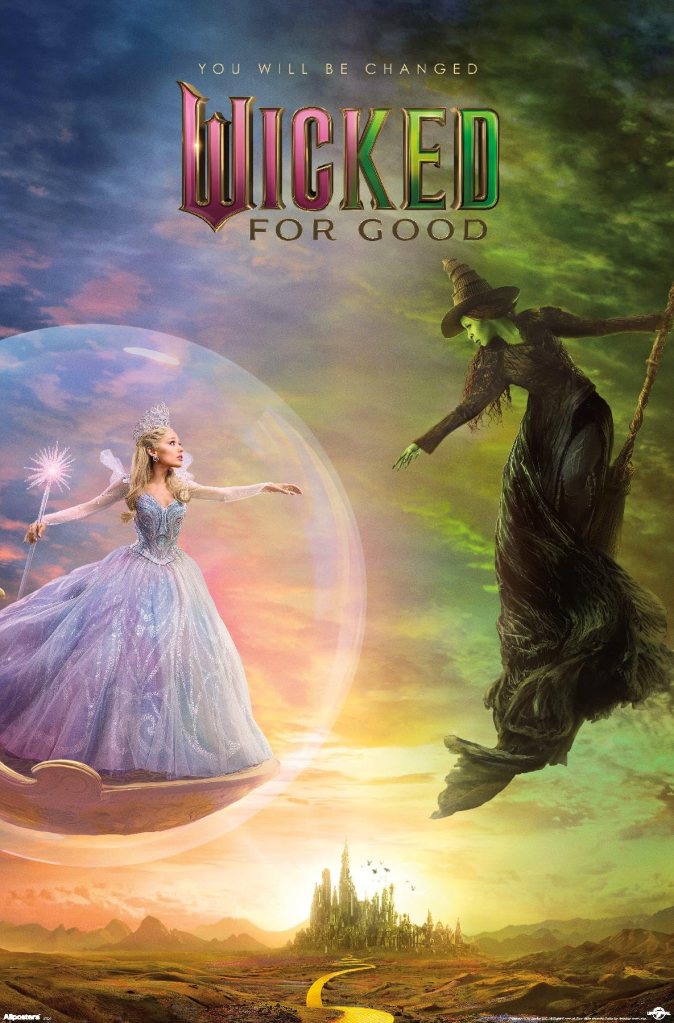
Reinvention is always an interesting process. When one thinks of The Wizard of Oz, several specific images are conjured. The public zeitgeist has intuited that the heels are going to be ruby red, for example, though that is trademarked. Wicked sits in a hilarious place. It’s not quite a faithful adaptation of the book it is based on, but the book Wicked is also a careful reinterpretation of the original book series. Regardless, Wicked: For Good was a wildly anticipated follow-up to Wicked.
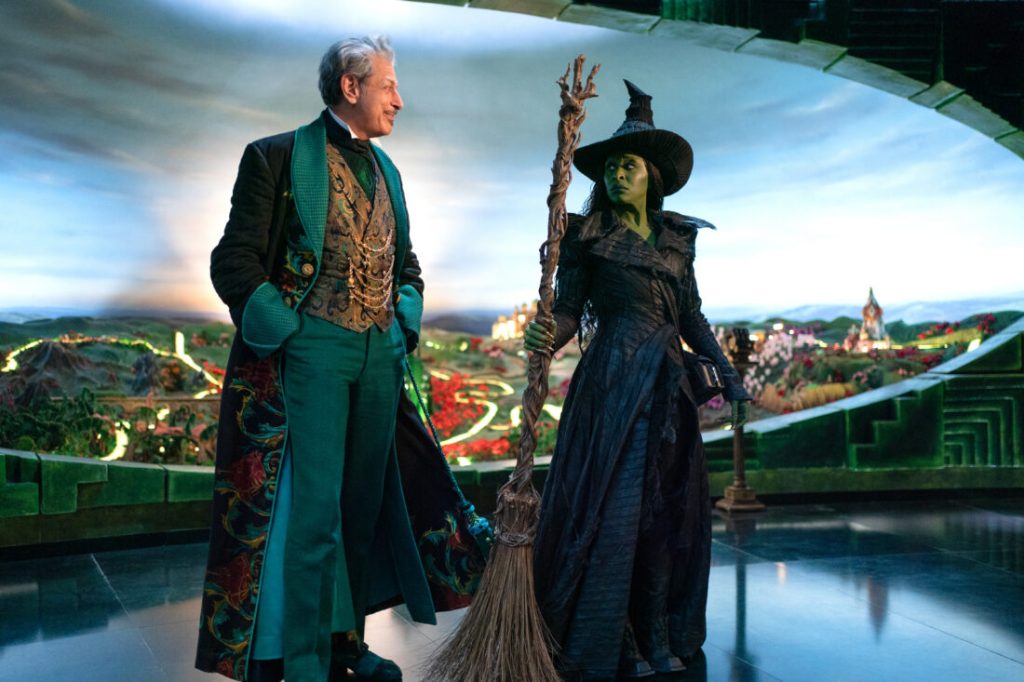
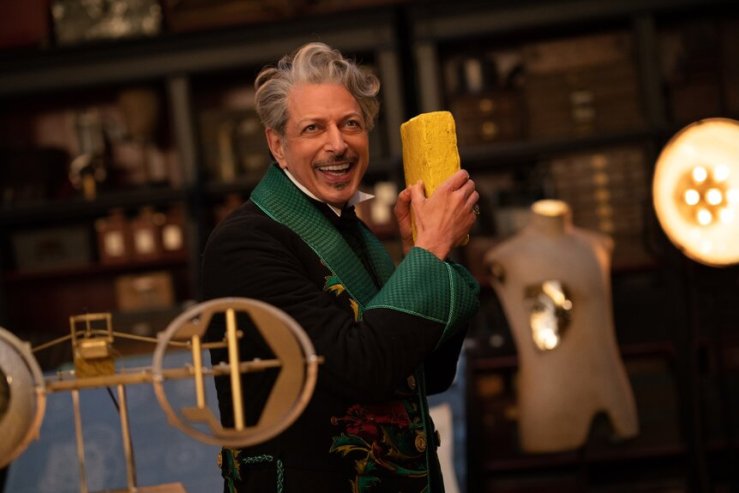
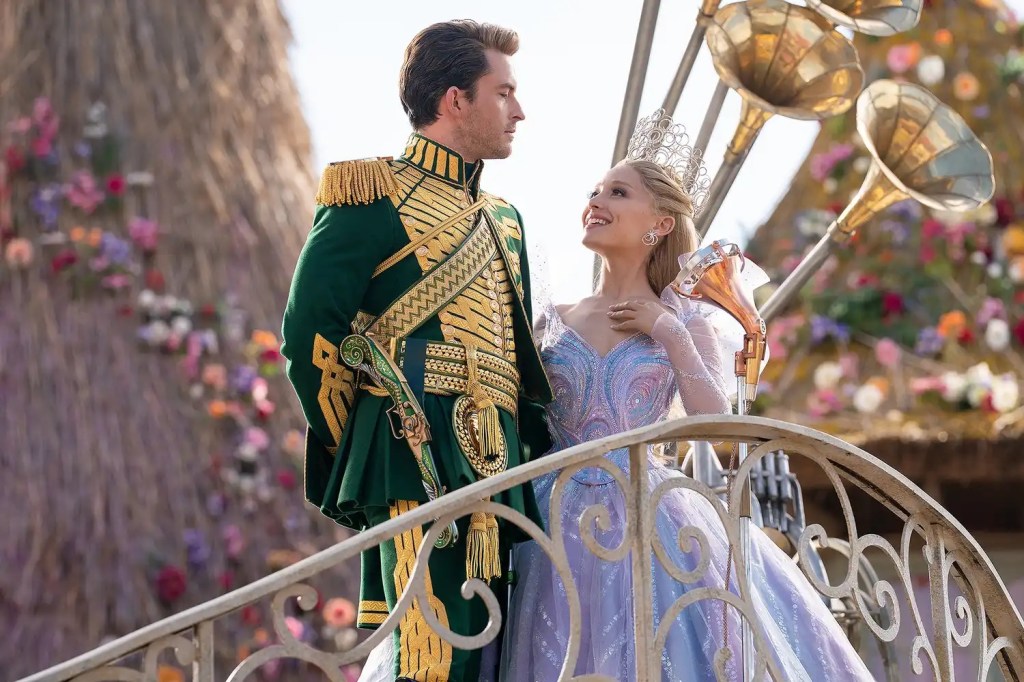
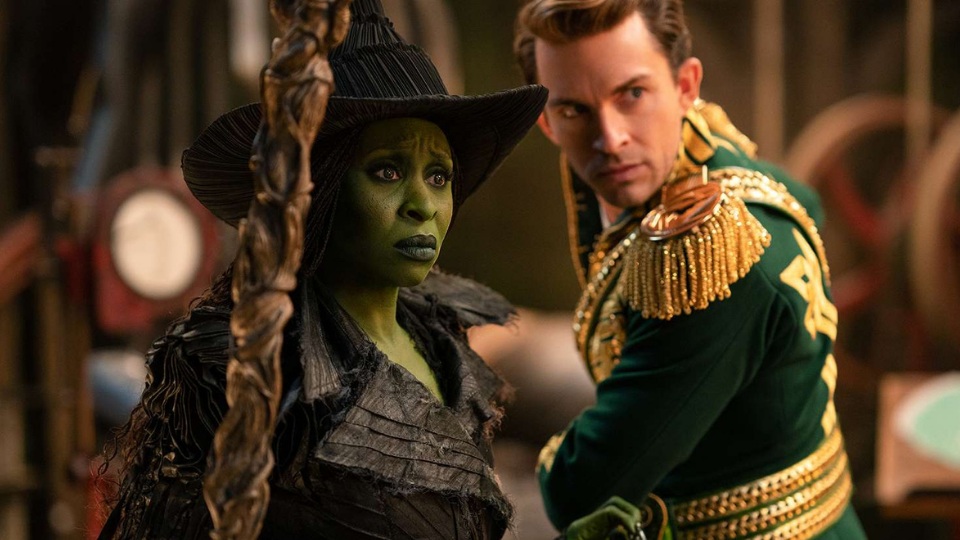
The story continues to follow Elphaba (Cynthia Erivo), Glinda (Arianda Grande), Ferio (Jonathan Bailey), and their broader friend group after graduation. Sorry, after the expulsion of the Wicked Witch for crimes against the Wizard, humanity, and the poor Munchkins, her good-natured father had once been the Governor of! In the years since Elphaba discovered what the Wizard (Jeff Goldblum) and Madame Morrible (Michelle Yeoh) were actually involved in, propaganda has flooded the streets of the Emerald City and the country beyond. The thing is, Elphaba has not just been framed as Wicked, a figure to fear, despise, and rally against; the Wizard and Morrible sought to cast heroes in their tale, and they chose two of the most complex figures in roles they were naturally suited to, yet did not genuinely want.
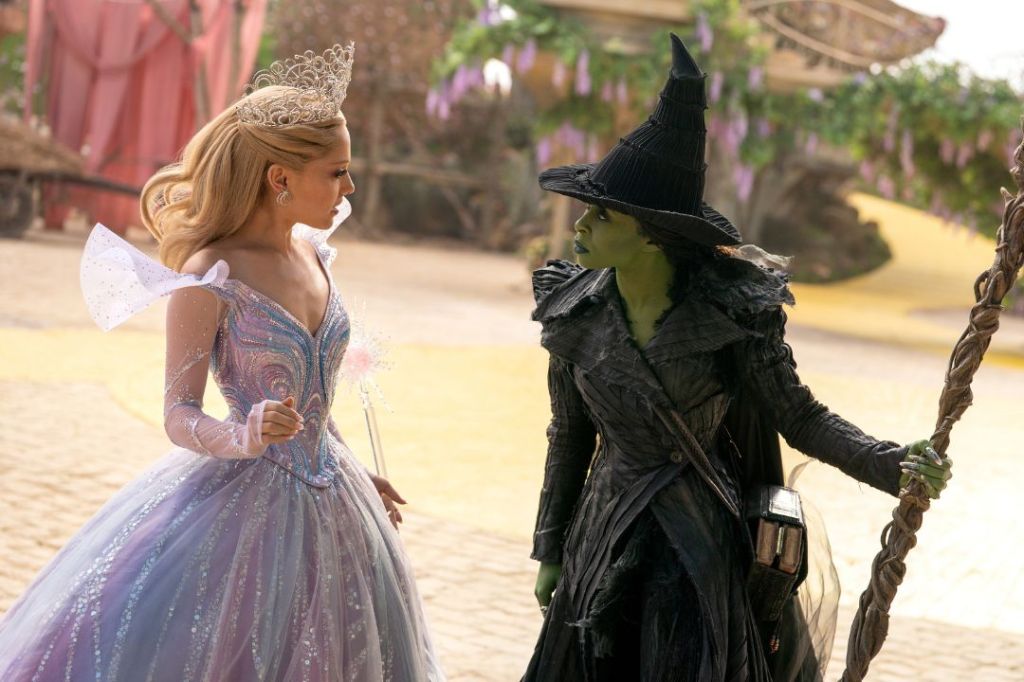
Glinda and Ferio’s romantic relationship has always been complicated by Elphaba, with the former’s friendship and the latter’s romantic inclinations turning “complex” into an understatement that explodes the conflict that, before its discovery, could be treated as a distant thing. When it finally becomes personalized, Glinda and Elphaba’s relationship sours quickly, even though neither person actually hates the other and certainly doesn’t want to see the other hurt or killed. Wicked: For Good dives deep into those relationships, building up a conflict that is, like the novel and the play, resolved by ingenuity and the timely appearance of a young girl with her dog, sent to walk the world in heels.
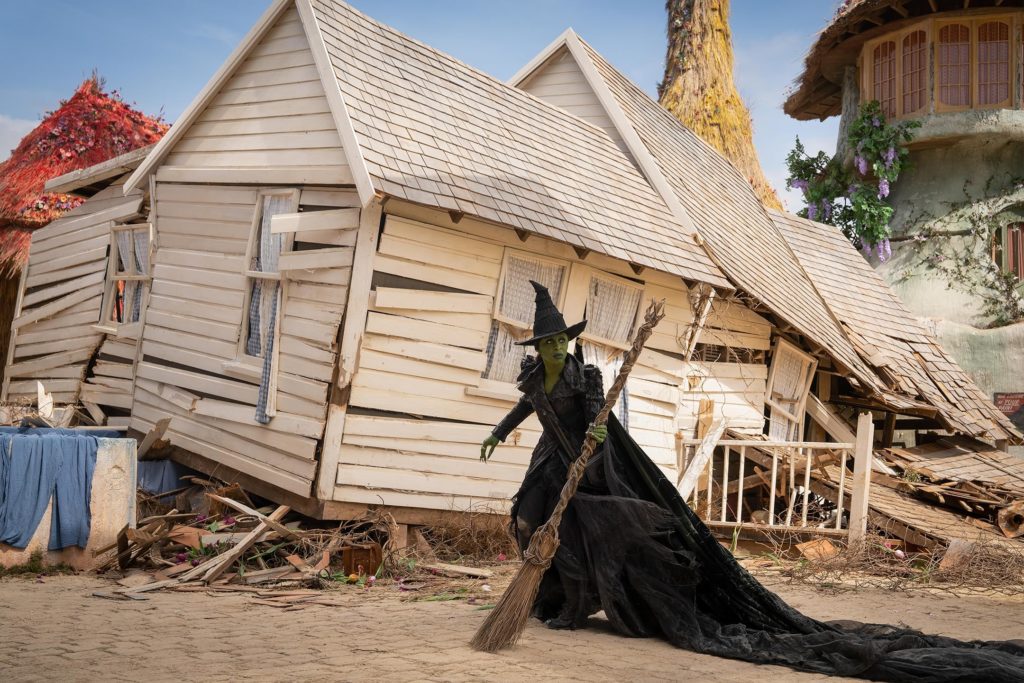
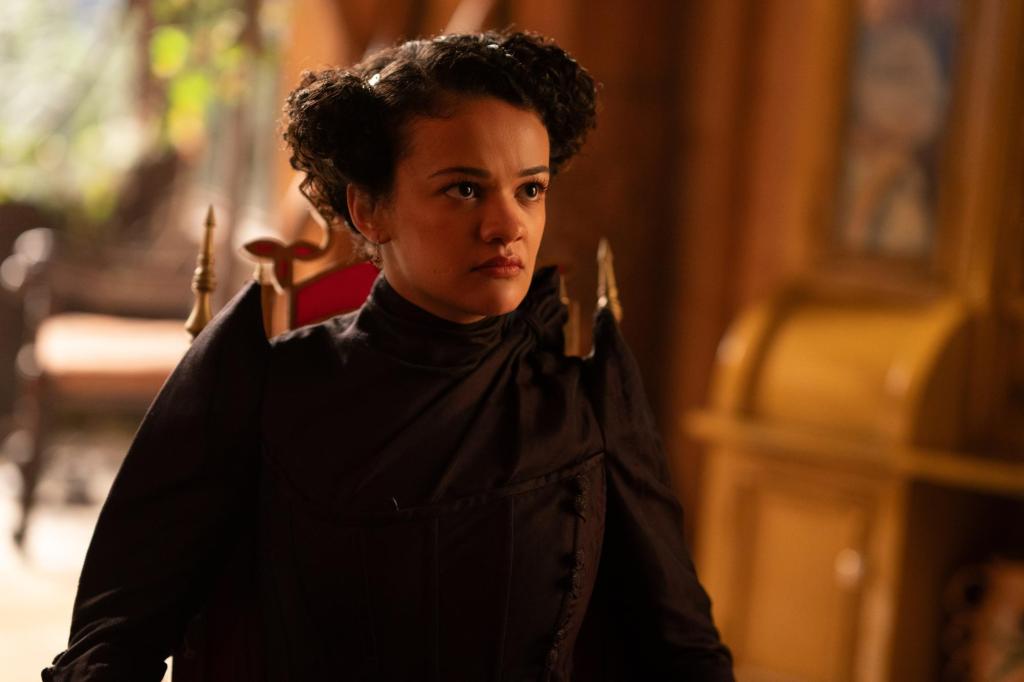
Nessarose (Marissa Bode) and Boq (Ethan Slater) also return, bringing to life other important figures from The Wizard of Oz. Specifically, Nessarose is the Wicked Witch of the East who, unlike Elphaba, is portrayed to be even pettier and more dangerous in the adaptation than she ever was in the original film. After gaining control of Munchkinland as its Governor, her infatuation with Boq devolves into an obsession threaded with the kind of entitlement that boggles the mind. Boq, who has always been in love with the idea of Glinda, if not necessarily the person beneath the bubble, has served faithfully at her side. When he finds out about Glinda and Ferio’s wedding, he decides he has to go and finally figure out his life, only for Nessarose to restrict the free movement of all Munchkins to block Boq’s passage.
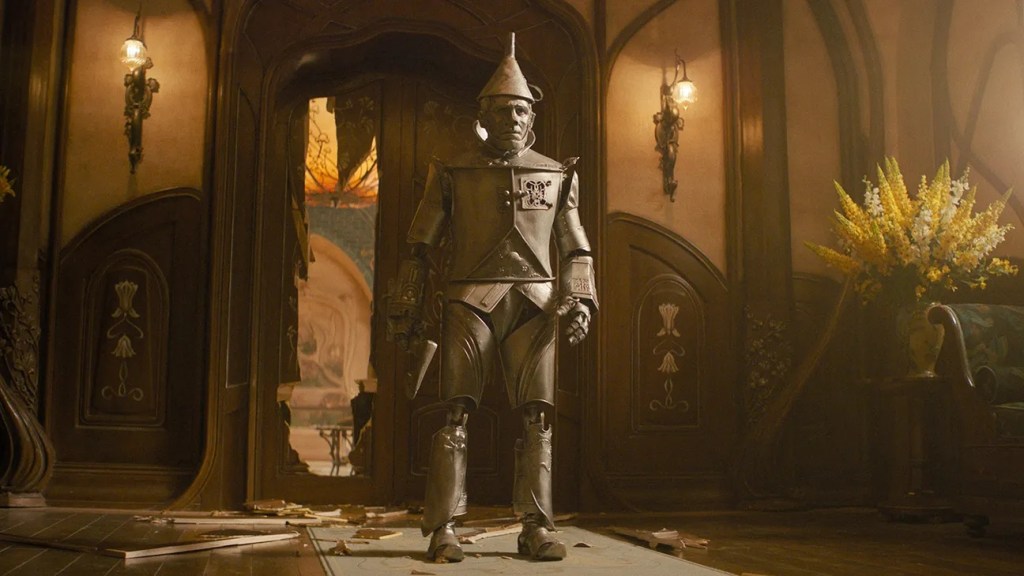
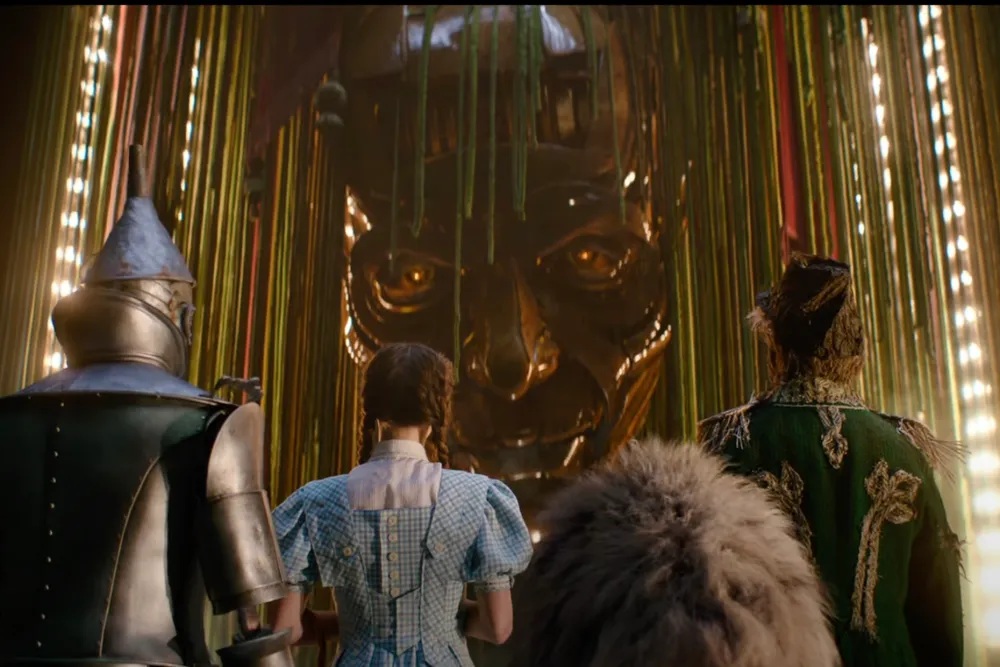
The Cowardly Lion (Colman Domingo) was briefly introduced in Wicked as a cub, and he serves to present the final nail in the coffin of Elphaba’s goodness. His own fear and preconceived notions poison the trust and goodwill that Elphaba attempts to build with the talking animals, for whom she fought back against the Wizard and Morrible to protect. The irony, of course, is that it is the Lion’s fear speaking, and at every opportunity where he might use his voice for good, he is either blocked, such as by the Tin Man, or incapable of mounting the necessary courage to speak. Perhaps Elphaba could have had help if not for him, but then again, we wouldn’t have a story without him.
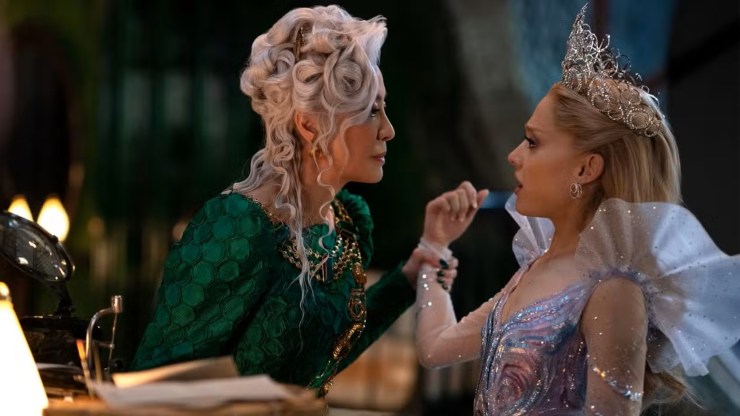
Madame Morrible and the Wonderful Wizard of Oz are in top form here. The former is unrepentant in her cruelty, using what little power she has with magic to crush what little happiness Elphaba still has, while simultaneously maximizing her vast political power to serve her own purposes.
The latter is little more than a dilettante whose tinkering has backed up his claims of magic, while his knowledge of other worlds convinces him that, to hide the failings of his leadership, a scapegoat is required.
First were the talking animals, granting all other species the common enemy they could rally against for the problems that the story all but screams are because of Madame Morrible. Second, building off Nessarose’s actions, are the Munchkins, who did little to protect the animals who made their lives easier, and soon found themselves second-class citizens in their world. The last, but assuredly most useful, was Elphaba.
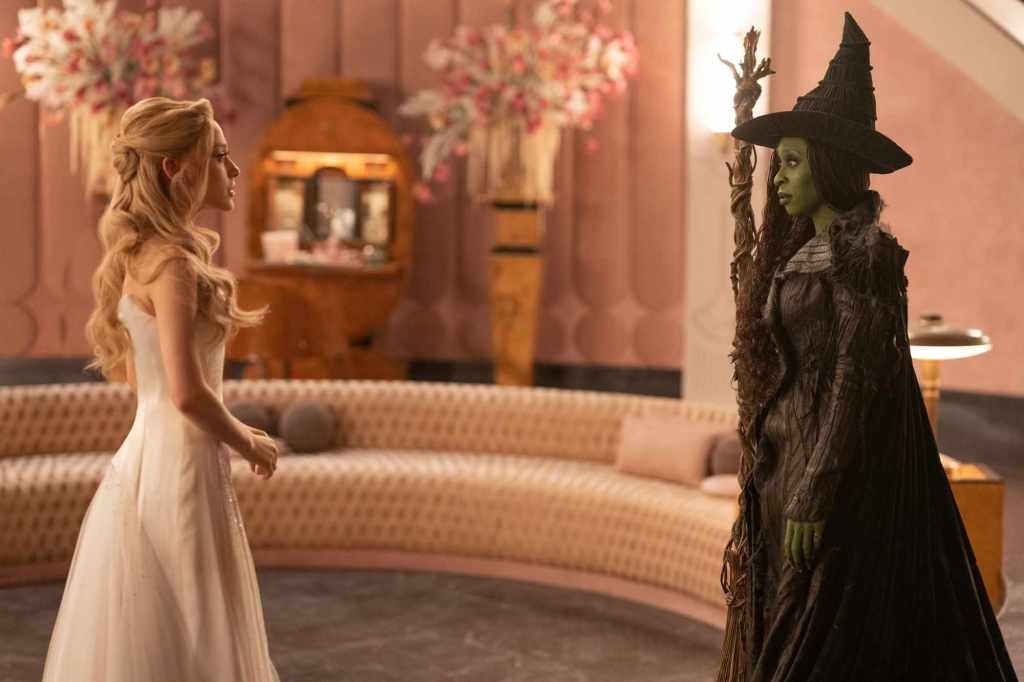
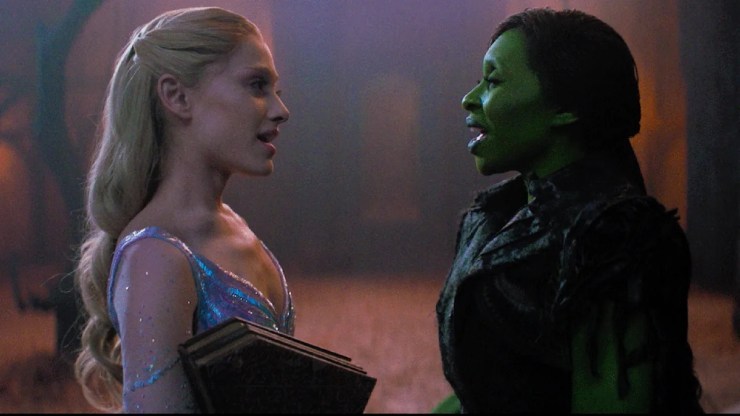
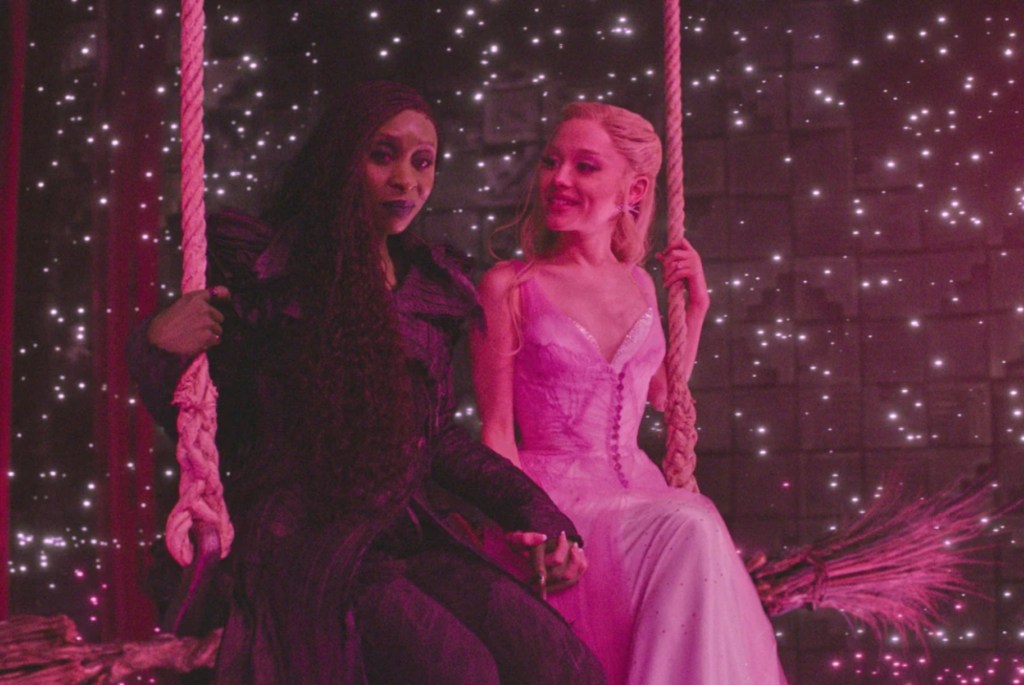
Wicked had a very helpful bifurcation point in its play, allowing each film to feel like a distinctly whole story, while still being one half of a whole. Whether that translates effectively for any particular audience relies on one’s ability to entertain the story they’re watching. One of the most common criticisms I had heard leading up to the release of the films was that Act I featured the most notable, more iconic musical numbers. It was a similar point brought up about Mamma Mia, which had mined the most well-known songs for its story and, when a sequel was announced, had to rely on the songs that clearly didn’t make the cut. While I can say that Popular, Defying Gravity, and What Is This Feeling (Loathing) are the more memorable ones, a good story can draw on the drama of the song and the moment if it takes care to do so. For myself, I felt that Wicked: For Good achieved that balance.
Two-part films were all the rage in the early 2010s, technically starting off with Harry Potter and the Deathly Hallows, with many questioning the decision. That would continue for Twilight, The Hunger Games, fail to manifest the second half for the Divergent series, and, through sheer serendipity, provide the guiding rail for The Maze Runner. When it comes to Wicked, however, the decision made was steeped in existing reality. After all, musicals and other live performance plays often come readymade with an Act I and Act II structure with an intermission in between. Cue the funniest jokes around the yearlong intermission being, “The longest intermission ever!”

