
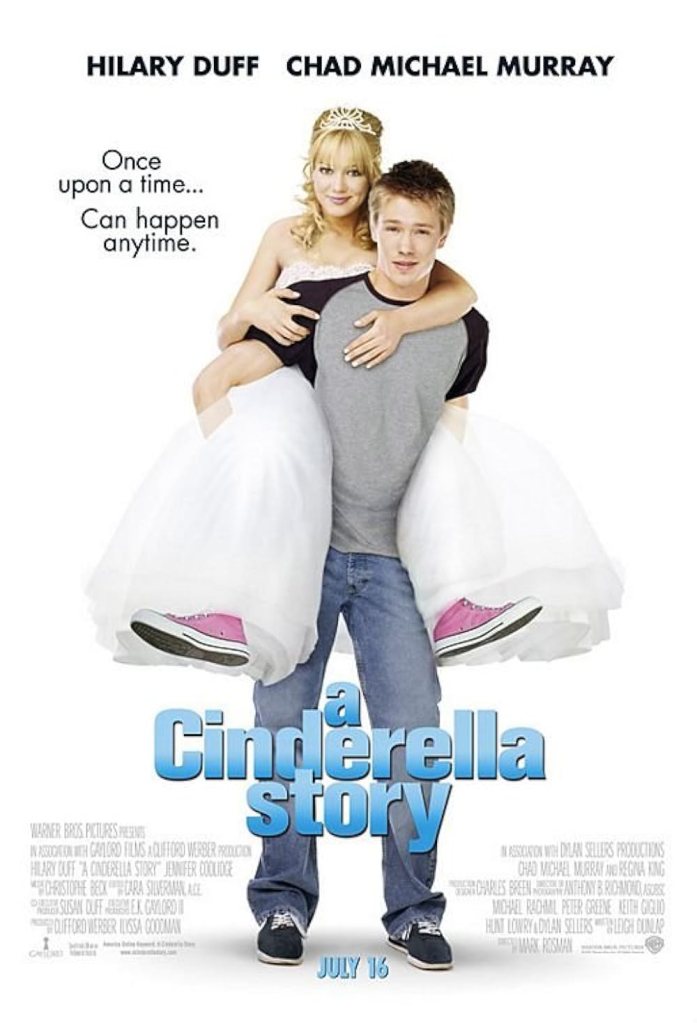
2004 was part of the era where Amanda Bynes, Lindsay Lohan, and Hilary Duff reigned supreme in the romcom world. I suppose the only thing they didn’t have in common was that Lohan never really got a Cinderella-style adaptation, whereas Bynes and Duff both did. A Cinderella Story was the most direct, featuring all the hallmarks of the fairytale sans the actual magic. It also managed to spawn a long-running franchise that, like The Prince & Me and Bring It On, was entirely direct-to-DVD, and had little to do with the first film.
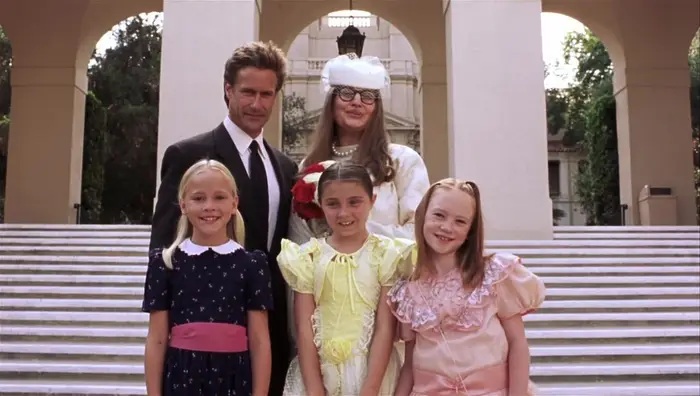
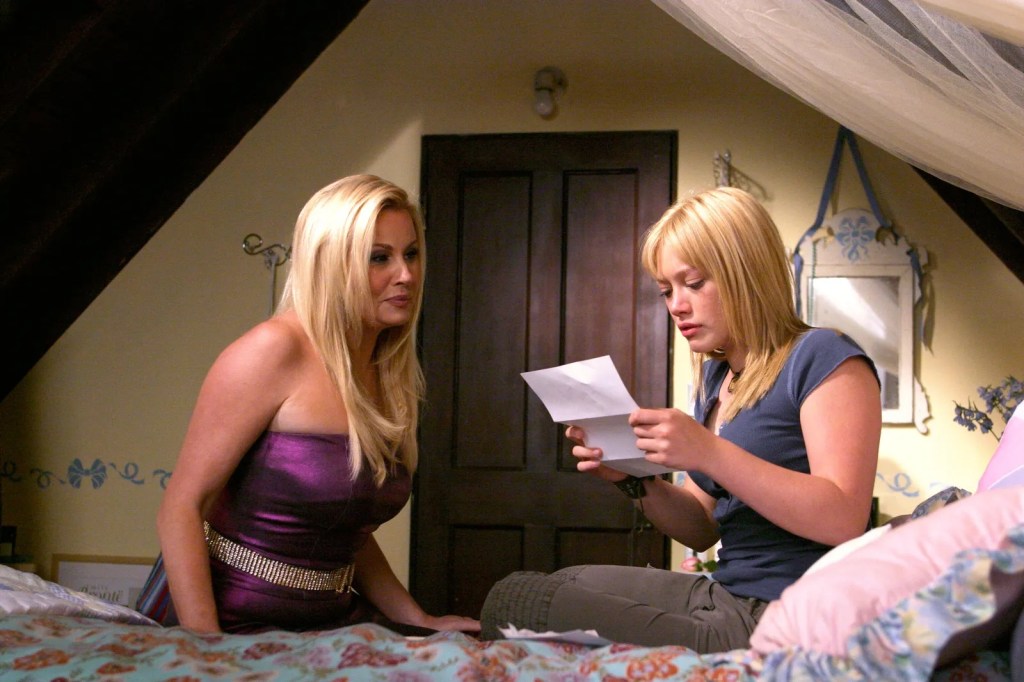
A Cinderella Story centers on Samantha “Sam” Montgomery (Hilary Duff), who has a beautiful life with her widower father, Hal (Whip Hubley), who owns a popular diner in the San Fernando Valley. As any good Cinderella tale does, Hal ends up marrying a woman who presents herself one way only to reveal her true, callous colors after his unfortunate death in the middle of an earthquake. Fiona (Jennifer Coolidge) arrives with two daughters, Brianna (Madeline Zima) and Gabriella (Andrea Avery), who become Sam’s new stepsisters. Their relationship is, as in most adaptations that tend to not evolve the story, absolutely terrible – rife with abuse, mistreatment, and an unnecessary level of cruelty that serves nobody. Not even themselves.
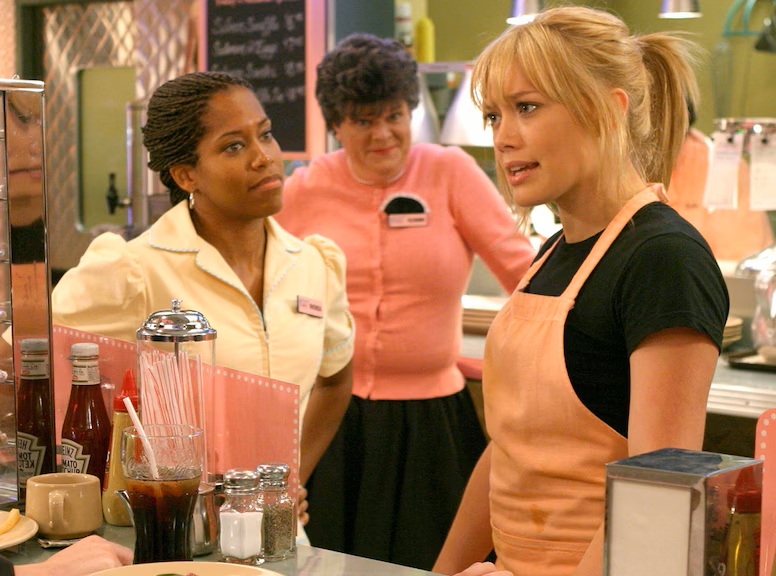
Instead of mice and birds as friends and protectors, Sam has the help and support of the diner’s employees, who have remained on to look out for her as best they can, and the diner that they all love. Rhonda (Regina King) is the analog to Sam’s Fairy Godmother and is by far the most capable employee in the diner outside of Sam. Eleanor (Mary Pat Gleason) and Bobby (Paul Rodriguez) are incredibly protective of Sam, but unlike Rhonda, they are more in fear of what Fiona can do. Beyond them, Sam has Carter Farrell (Dan Byrd), her best friend at high school, and for whom she commiserates throughout the movie. He has had a crush on Shelby Cummings (Julie Gonzalo), the resident mean girl, for years.
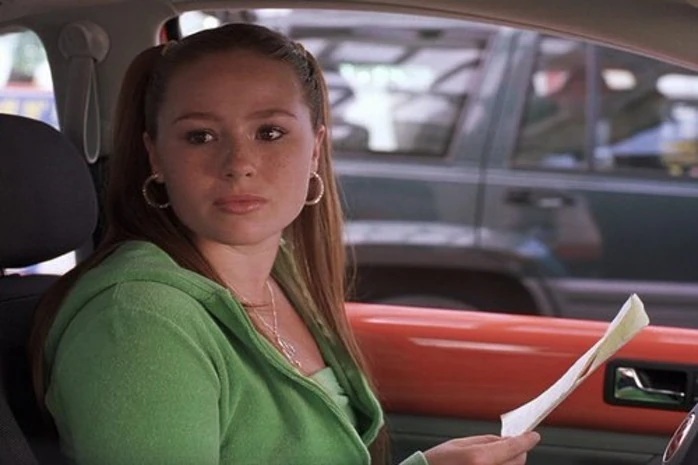
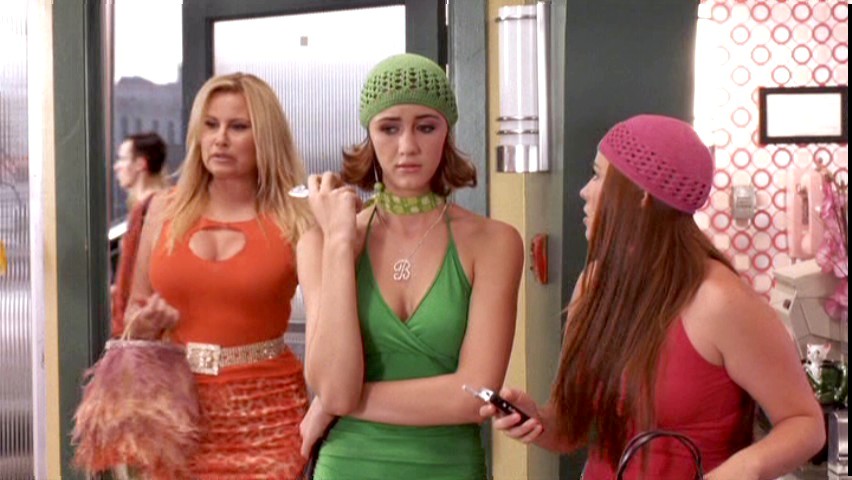
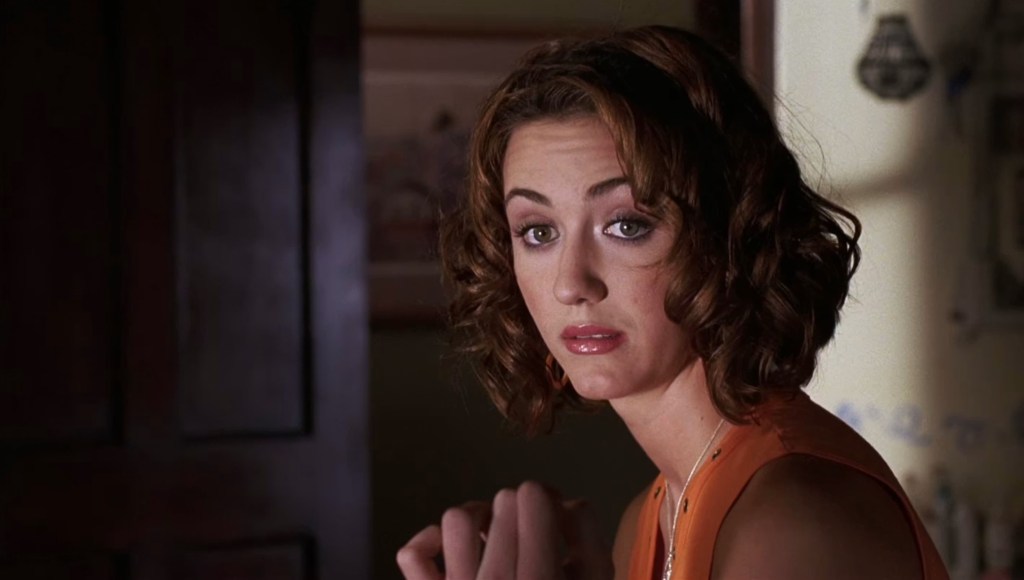
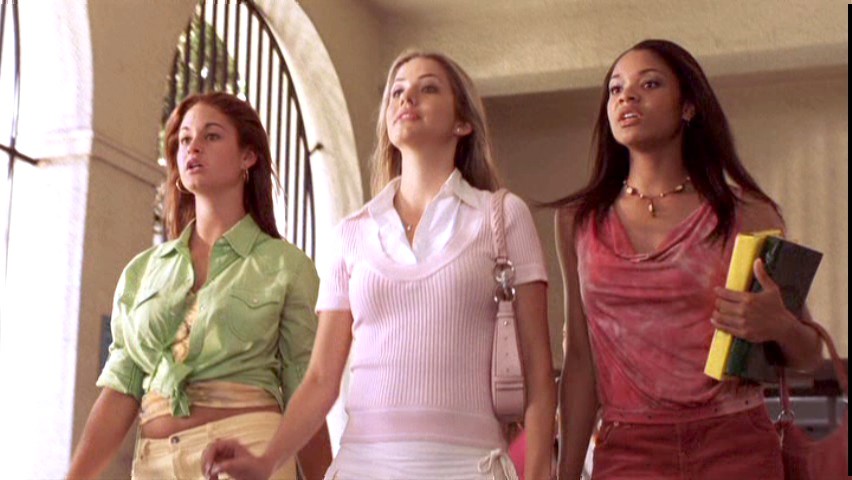
Shelby is interesting as a character. The mean girl archetype has long since been a feature of films set in high school, and she even comes with two minions in the form of Madison (Erica Hubbard) and Caitlyn (Kady Cole). I call her interesting because her role feels like an unnecessary compromise that is more determined to fulfill the aspects of a high school story rather than a Cinderella story. Brianna and Gabriella are by no means slouches as the Evil Stepsisters, and their proximity to Shelby begs the question as to why Madison and Caitlyn need to exist in the movie. Much of the hard work of humiliating Sam is put in Shelby’s hands, with Sam’s stepsisters acting as facilitators, rather than the lead actors.
What makes a modern-day Cinderella story so interesting is that not much has to change from a more historical perspective. Cinderella as an archetype has nowhere to go, even if she has a support system, but the film tackles the obvious solution by using the law. Sam wants nothing more than to protect her father’s legacy, his diner, not just from Fiona, but the world itself. Across the eight years that it is under Fiona’s control, the diner evolves from a place that feels family-owned into a salmon-obsessed fiasco. Arguably, Sam’s family is far more evil, considering what they’ve been doing to Sam for years, but much of that is a legal issue that the movie addresses. Shelby’s actions are hardly taken seriously by the school. The problem, of course, is that this plan might have worked more in most other states. California is not one of them, because as Hal’s legal family, Sam was entitled to half of everything her father owned before he married Fiona… Which should have mitigated the plot from the outset if anybody from CPS had bothered to do their job.
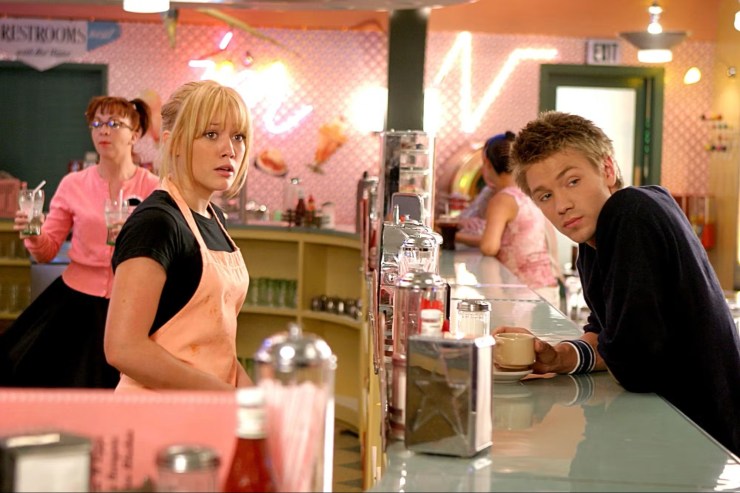
Then we get to the Prince, Austin Ames (Chad Michael Murray), the big man on campus. He’s a football player, his father, Andy (Kevin Kilner), owns a car wash, and is destined to attend the University of Southern California, but dreams of more. Before the main plot of the film begins, Austin has begun chatting with an online pen pal, expressing his deepest, most hidden truths regarding his fears of his present and his hopes for the future. Sam is that pen pal, and the film doesn’t hide the irony of that, allowing the relationship to develop before the archetypal ball in the form of a high school dance on Halloween. He comes with his own two friends, David (Brad Bufanda) and Ryan (J. D. Pardo), who offer the clearest insight into Austin’s priorities long before Sam is exposed.
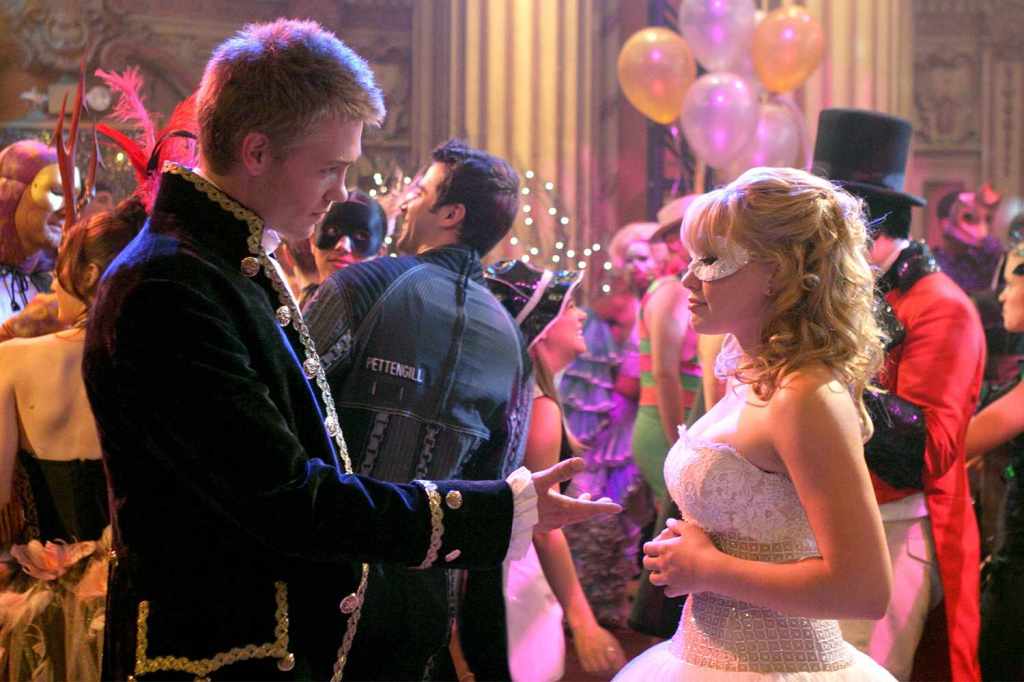
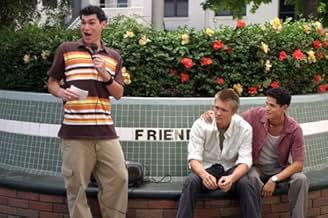
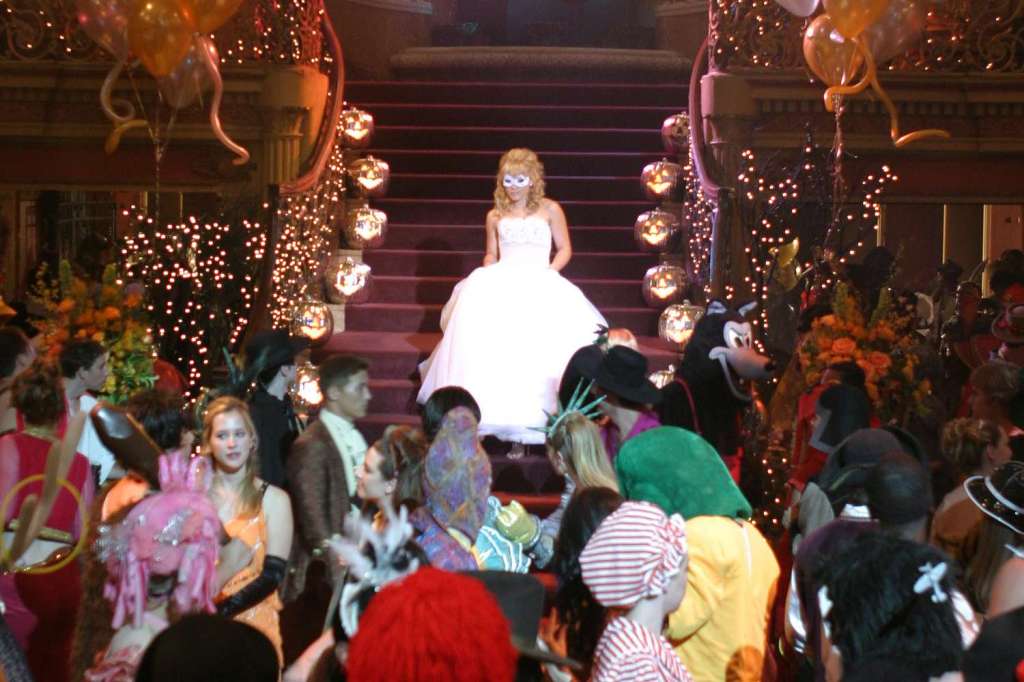
Most iterations of Cinderella before the nineties never spent much time on the actual connection between the two leads. They met at the ball because the circumstances of Cinderella’s life prevented her from having any contact before then. In this version, high school acts as a sort of equalizer. It has cliques and a hierarchy that could rival any historical noble court, wherein beauty, athletic skill, and money act as a destabilizer between varying students. Shelby and Austin are both popular, and the film is careful in its bid to break Austin from the mold. While he is far less dismissive of Sam as a person before he learns who she is, during the scene where we learn the nickname she has is “Diner Girl,” he is still status-conscious.
Austin Ames as a character is liked because he is handsome and played by Chad Michael Murray. As a character, the first real opportunity to prove himself to Sam ends in disaster because he learns who she is in the worst possible way. The only other Prince (to my direct knowledge, there are far too many adaptations of Cinderella to have seen and known them all) who acts in the same vein is Prince Henry from Ever After. Both realize their mistake fairly quickly, but the act of cutting Sam (and Danielle) off at the knees is because they didn’t share their name and full identity.
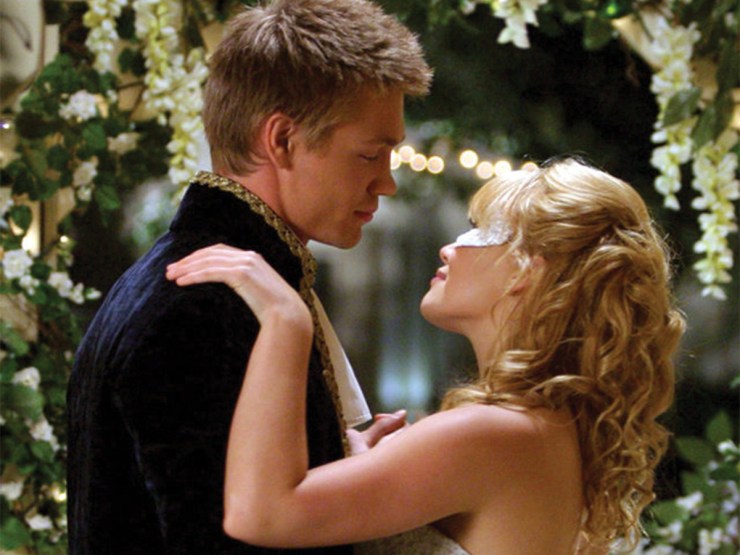
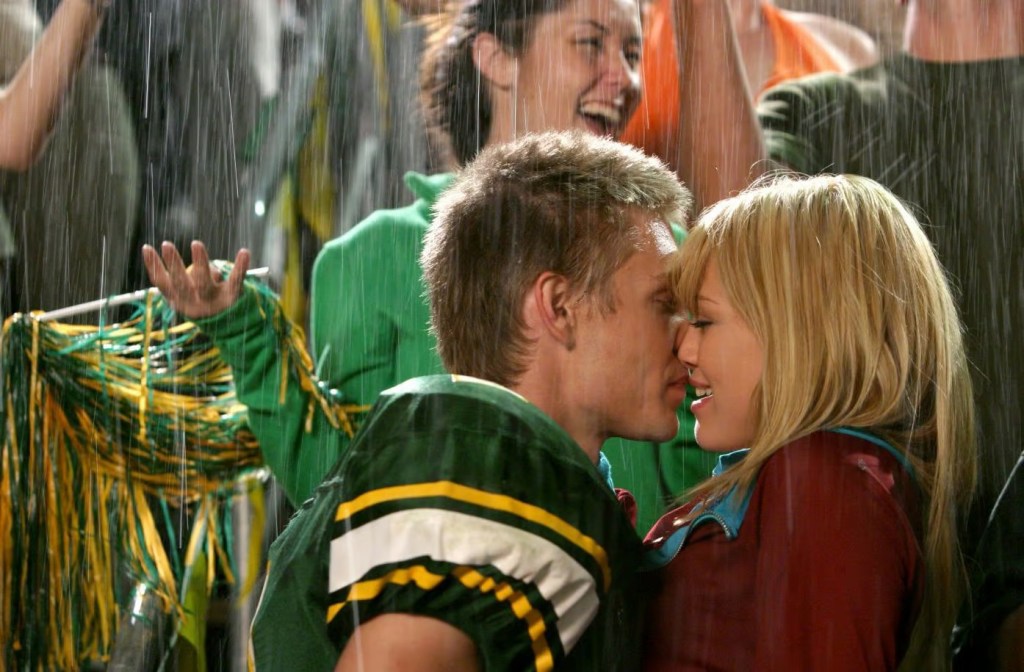
Despite these versions of Cinderella being open and honest about practically everything else and attempting to tell their respective partners at the first opportunity that made sense, their respective Prince character acts as if they are the only aggrieved party. I challenge audiences to actually watch those scenes, pay attention to how Sam and Danielle are treated, and come out viewing Austin or Henry as the aggrieved party. To do so is a lie. And yet, both of these Cinderella stories are two of my favorite versions – a little bit of drama in a story never hurt anybody.
A Cinderella Story managed to mix up and modernize the formula by combining it with the high school experience. How it picked specific aspects that would make its story work is debatable, but nobody can say that it did not offer a unique perspective on what it means to be Cinderella. And it has acted as a vehicle for Disney actresses ever since, with Selena Gomez and Lucy Hale both leading the sequels I’ve actually rewatched, and at times enjoyed more. For years, it felt like the franchise had ended, until Sofia Carson, Laura Marano, and most recently Bailee Madison got a turn at the character.
Time will tell if another resurgence will follow.
 Lloydd Marshall Books