
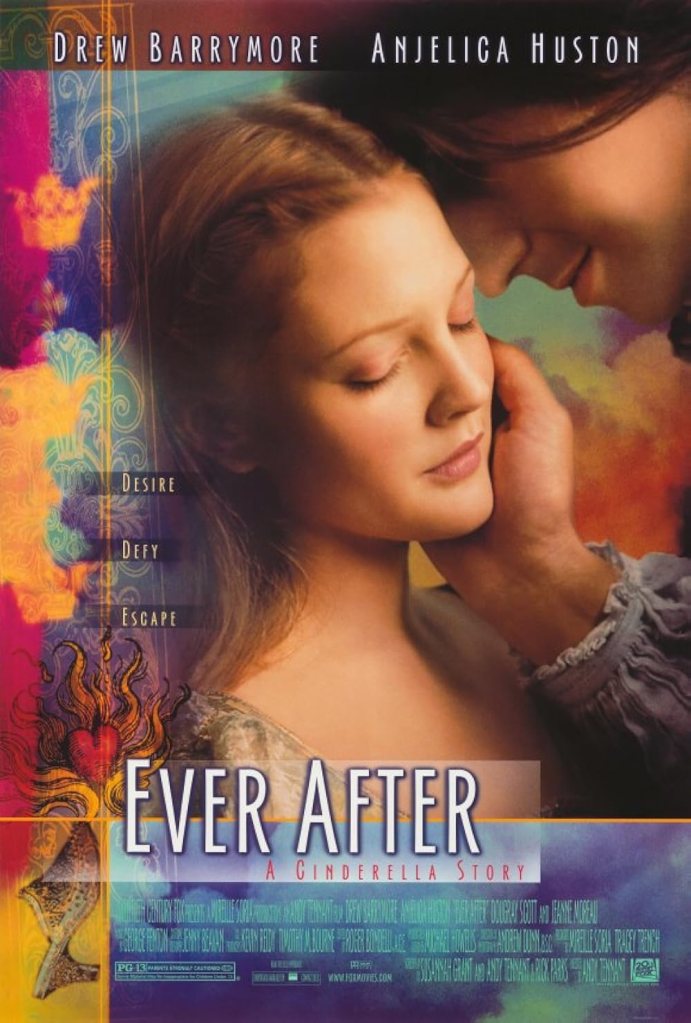
Where A Cinderella Story grounded the archetypical fairytale in the modern era, Ever After relied on historical precedent. Granted, it was still set well after the original fairytale was conceived; this particular period has become a popular setting for Cinderella stories. It is, despite my qualms with the Prince, one of my favorites.
The story begins with a young Danielle de Barbarac (Anna Maguire) expecting her father to return with his new bride and her two daughters, giving Danielle something that she has not had since her mother died: a family. Drew Barrymore offers a grounded Cinderella, trapped in the same cycle as every other iteration, who is allowed more backbone and upfront sarcasm than most versions were usually allowed to show. She is by no means meek, and that is one of her defining traits. Danielle as a child and a young woman are both shown to be incredibly capable of exuding the grace of a noblewoman but are rather more interested in horsing around in the mud with Gustave (Ricki Cuttell and Lee Ingleby), her closest friend and an apprentice painter.

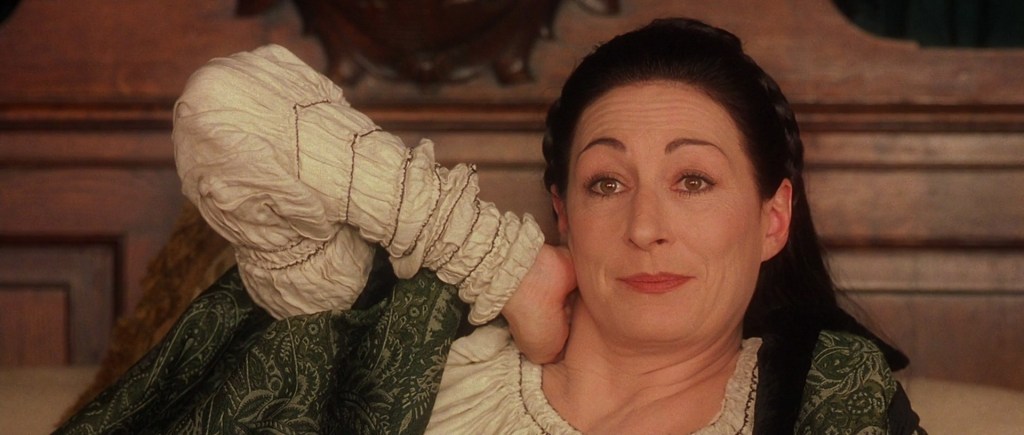
Auguste de Barbarac (Jeroen Krabbé) is a merchant who has done well for himself in his life, but seeks to give his daughter a mother and sisters and, likely, to make himself more respectable in the world that he lives in. His new wife is Rodmilla (Angelica Huston), known as Baroness Rodmilla de Ghent, which introduces some rather interesting details – such as how she has her title before and after her marriage to Auguste, however short it was. But I digress, Rodmilla’s title affords her, and her two daughters Marguerite (Megan Dodds) and Jacqueline (Melanie Lynskey), their places in the court of King Francis (Timothy West) and Queen Marie (Judy Parfitt), and proximity to the young, handsome, and incredibly capable Prince Henry (Dougray Scott).
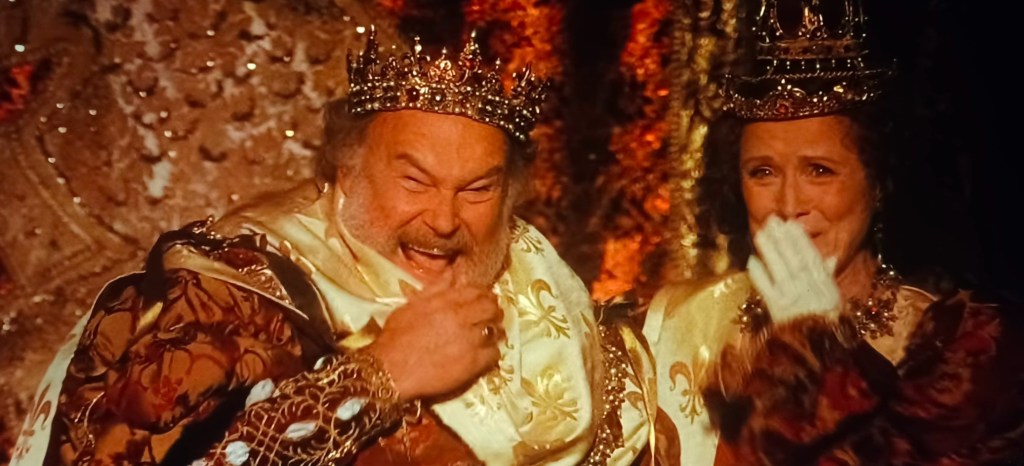
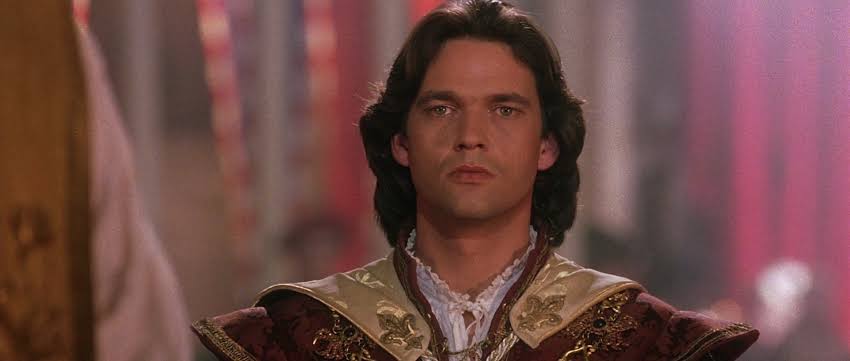
When Auguste dies suddenly, Rodmilla is suddenly saddled with an entire estate she has just arrived at with no means to effectively run it, on top of a stepdaughter. Cinderella from Disney includes a line in its opening that the stepmother’s efforts essentially left the estate in disrepair. Here, the de Barbarac’s lands prevent that from becoming an outright reality, but the difference in how Auguste and Rodmilla each ran it reflects their character. Auguste, who lacked a noble title, maintained a full staff and was able to dress Danielle in exquisite clothes, while his own bearing was enough to draw Rodmilla to him as the solution to all her problems and fears. Rodmilla, however, sells off the valuable heirlooms and even the servants to pay her debts and maintain the illusion of a lavish lifestyle. A lifestyle that runs primarily on the garnished wages of the two servants she keeps on, Paulette (Kate Lansbury) and Louise (Matyelok Gibbs), and the one she doesn’t pay at all: Danielle.
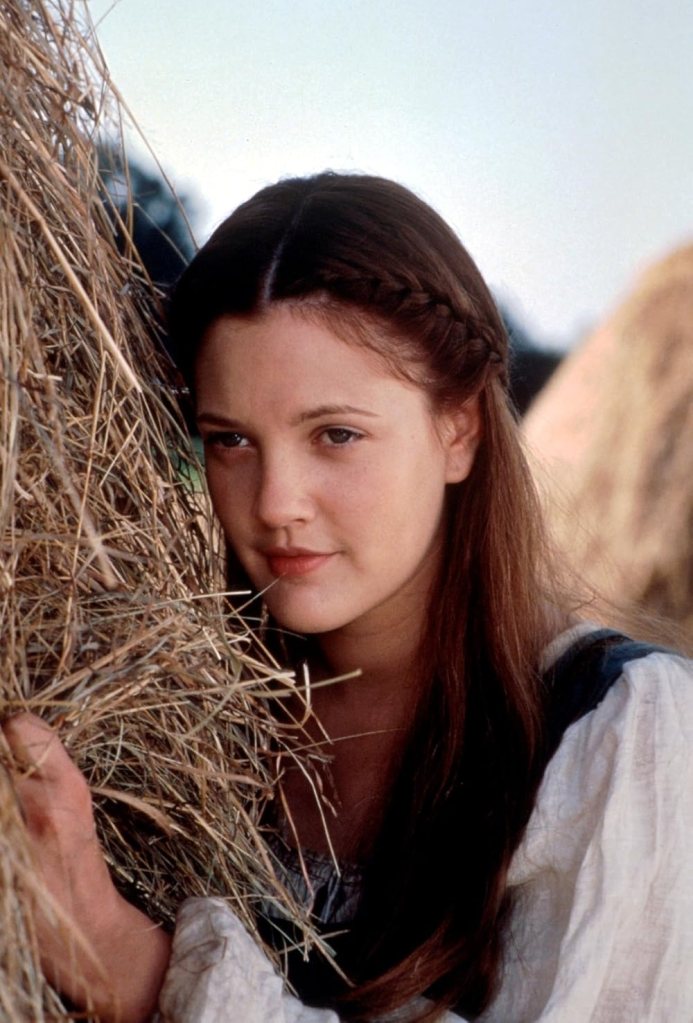
It is the sale of Maurice (Walter Sparrow) that truly sets the plot in motion. Danielle masquerades as a noblewoman to pay off the debts that Rodmilla has sold Maurice to cover. The money that allows her to do this is from Henry’s own insistence that he must escape his life to see the world he is meant to rule one day. He runs into the de Barbarac’s lands to steal a horse and, not recognizing him, Danielle pelts him with apples.
When she realizes who it is, her apology is quick, and his gratefulness at a headstart prompts him to leave her with a pouch of gold. With that gold, Danielle heads to the capital to pay for Maurice while dressed above her station and, thanks to Henry’s interference, ends up lying that she is a Countess. The lie stems from his insistence on knowing who she is, because she quotes lines from a book that he has read, and the possibility of a commoner being more educated, or at the very least more opinionated, than the Crown Prince could have been a bruise to his ego. A very big ego, mind you.
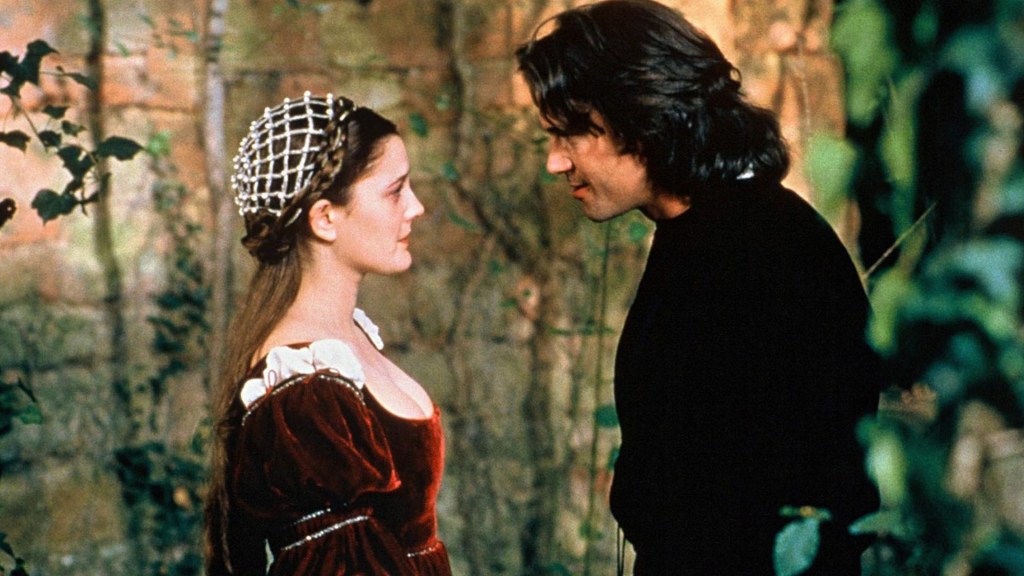
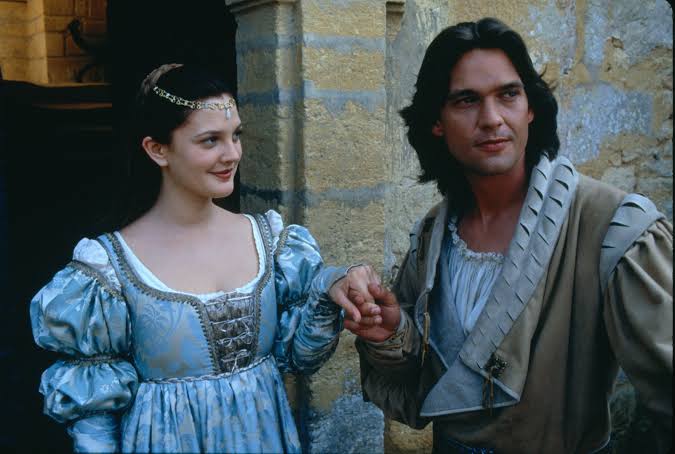
The relationship between Danielle, moving through the world as the Countess Nicole de Lancret, and Henry drives the entirety of the story. Few versions of Cinderella have ever spent this much time actually detailing the burgeoning relationship between the archetypes of Cinderella and the Prince, because the story is almost universally about their first meeting being at the ball(s). Cinderella (1997) also had the pair meet earlier, but it played it about as safely as most versions, including Disney’s own remake in 2015. The meeting is what prompts those versions of the Prince to agree to the requisite ball only if people beyond the nobility can be invited, because the Prince in this instance believes, correctly, that he is not dealing with a noblewoman, but a woman who fascinates him. In this iteration, Henry spends the balance of the story truly believing that Nicole is a member of the nobility and, thus, somebody that he can marry with little to no resistance.
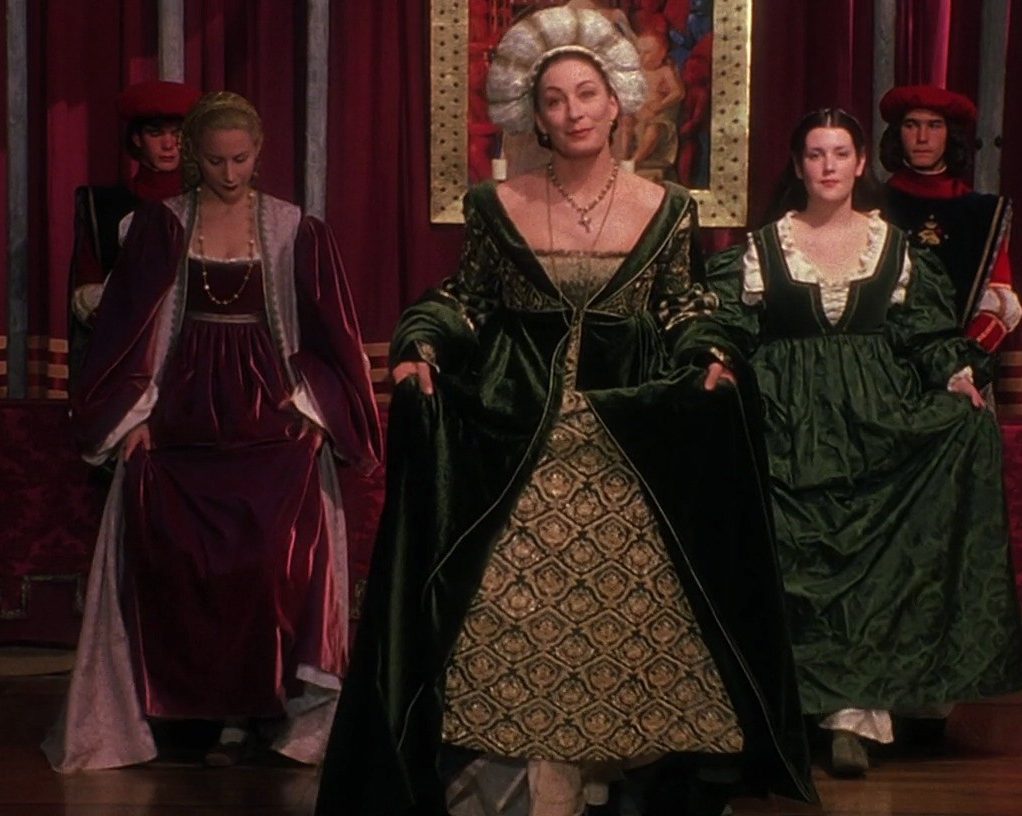
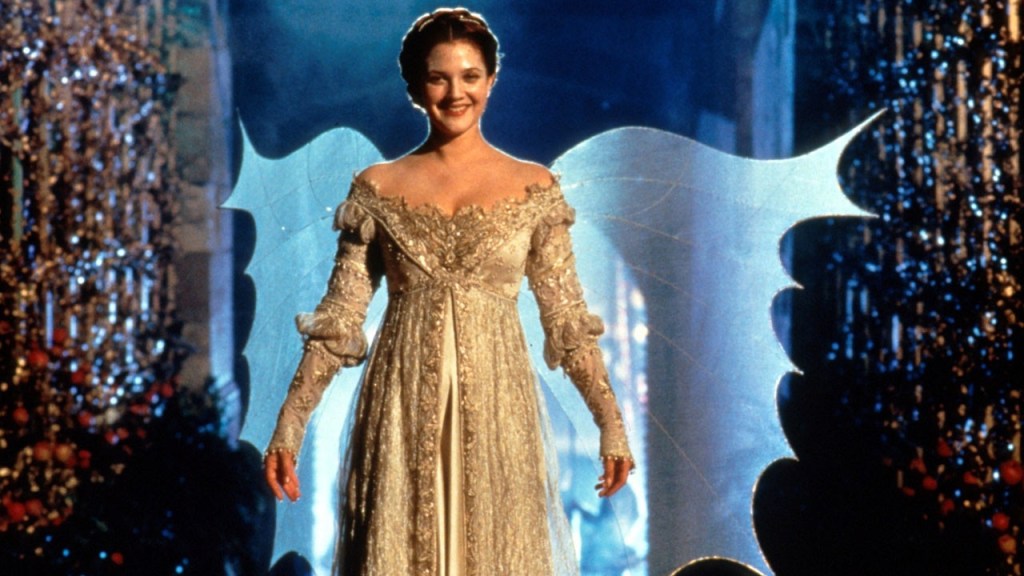
Danielle’s relationship with Marguerite and Rodmilla is devastatingly dark, reinforcing how dangerous the situation that she is in is. People often forget the inherent hardships of the time that these stories take place in and often state that Cinderella should just flee from the family that is terrorizing her. In this time, a servant can be sold for displeasing their master, which is a weapon that Rodmilla uses twice in the film. And, while Rodmilla presents Danielle as a servant in her household, it is imperative to remember that she is, legally speaking, Danielle’s mother.
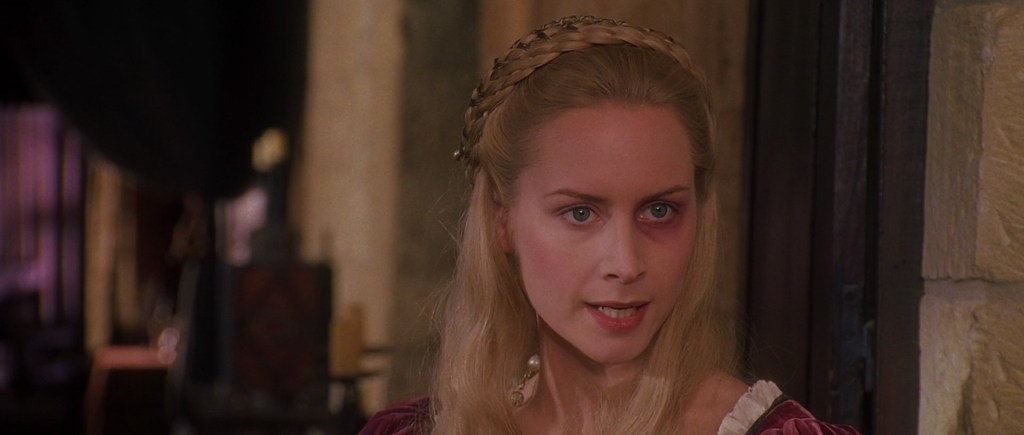
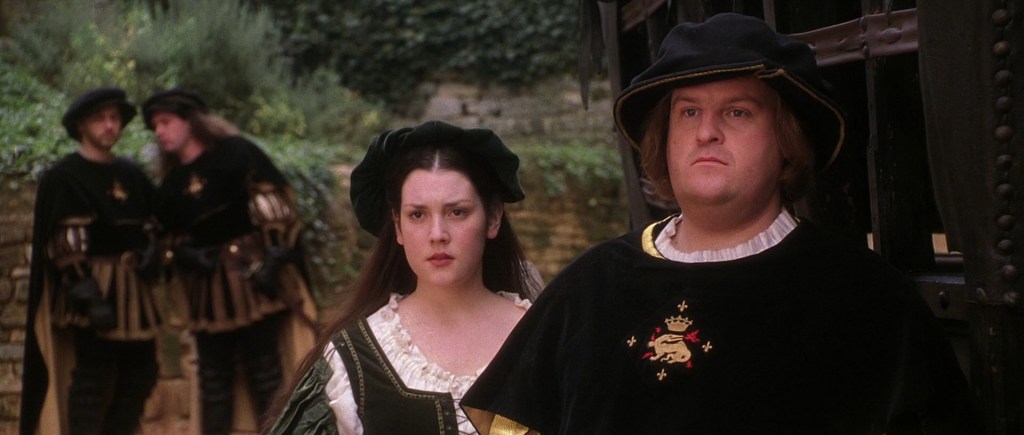
Danielle’s relationship with Jacqueline is considerably warmer. While I’m certain, with enough time to look, it would be possible to find a version of Cinderella that has one of the stepsisters be nicer than the other, and redeemed through that warmth, this is the one that I am most familiar with. Jacqueline is quieter than Marguerite and Rodmilla because they view her as less than because she is not as conventionally beautiful as Marguerite. Yet it is Jacqueline’s efforts to be kind that save her from the same fate that befalls her mother and sister.
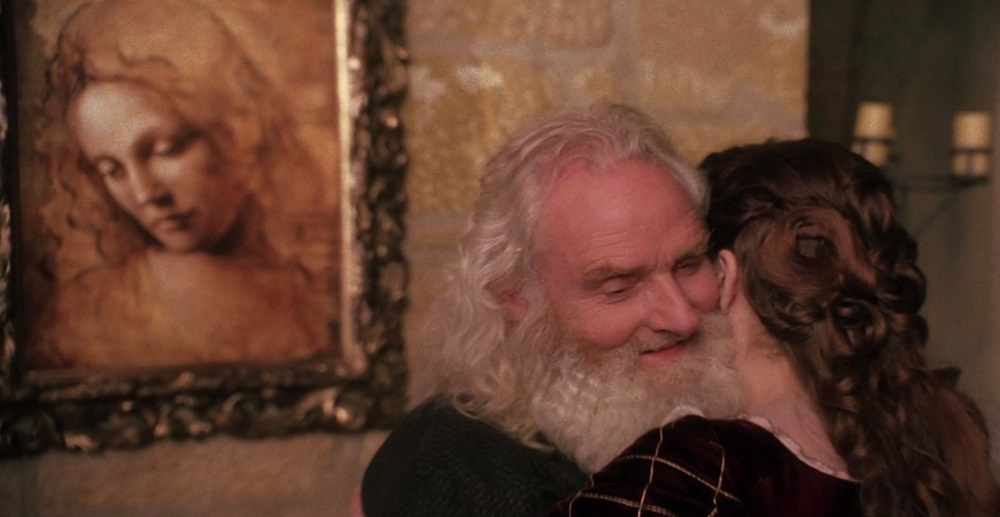
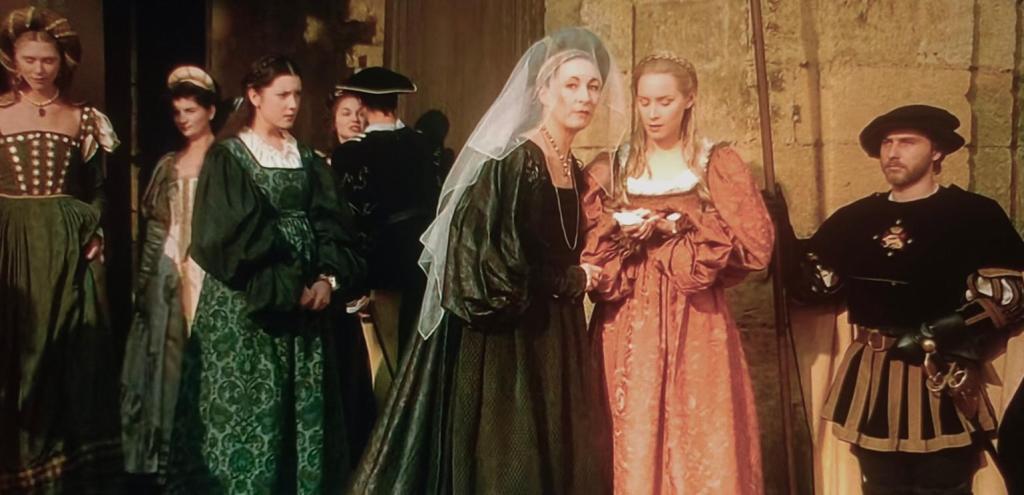
One of the most interesting parts of Ever After is its supporting cast, who fill in the traditional roles of the Fairy Godmother and Cinderella’s animal companions. Leonardo da Vinci (Patrick Godfrey), an inventor and member of the royal court, plays a prominent supporting role as the Fairy Godfather. He is the one who challenges Henry to be more than he was, and remind him that Danielle is the person who first got him to look beyond his privilege and what it might do for the people whom he will rule over.
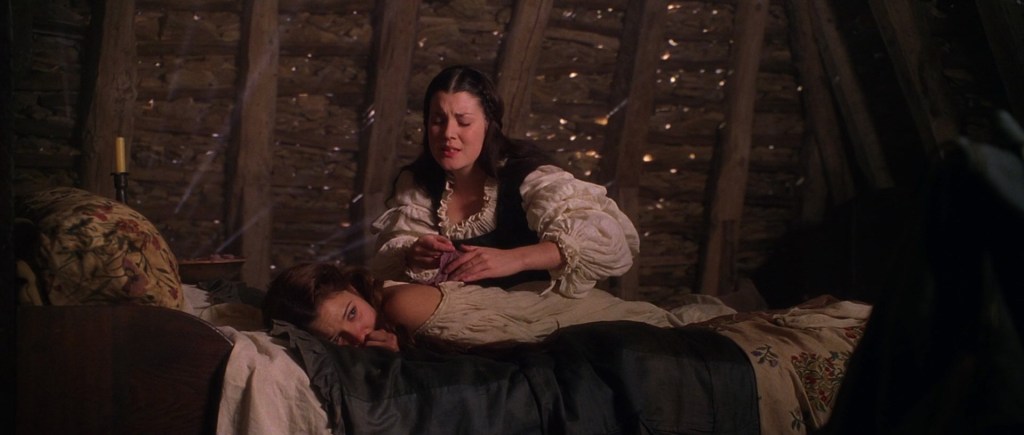

Pierre Le Pieu (Richard O’Brien) is the next most conventional antagonist in the film, a man with large holdings who wishes to own Danielle. While the Gypsy Leader (Mark Lewis) initially comes across as an enemy, his honor proves stauncher than most and provides the movie with one of the most entertaining scenes. Danielle demands that she be allowed to walk off with whatever she can carry, since they are depriving her of her escort. She then promptly lifts Henry, and, after laughing, doesn’t rob them and becomes their friend.

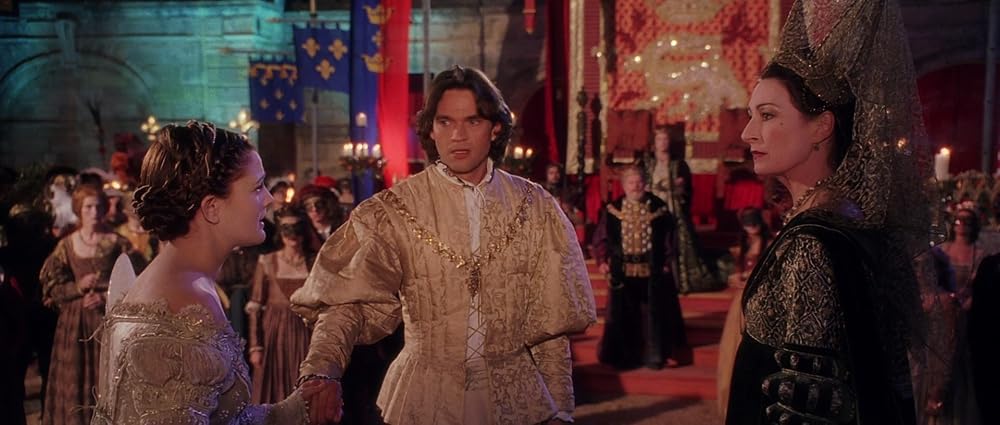
Let’s be clear, Henry is exasperating, but what makes it forgivable is that it provides him with depth. Fairytales act as warnings and parables, metaphors for the dangers in the world that young people might experience. Real, dramatic stories do this too, with their themes and characters. While I can be annoyed with Henry’s reaction to Danielle’s deception, that doesn’t mean that it serves no purpose. It is, in fact, an understandable reaction for a nobleman or Prince to have. After all, the privilege of having privilege means that you are rarely, if ever, inconvenienced, but the biggest danger is pretenders and fraudsters. In court, that is what a figure like Prince Henry must deal with daily, and that he thought he’d found lacking in Danielle, whom, for much of the film, he views as Countess Nicole de Lancret. That Henry cannot view this clearly at the time it is revealed, in front of the entire court and his parents at a moment of great joy, is, in itself, understandable. That he falls back on the characteristic flaws of nobility is also understandable. He is able to come around quickly enough, and a happy ending is achieved, but that is what allows for the drama to build.
Ever After was not afraid to look beyond the archetypes of the fairytale characters, which is what gives its story incredible depth. On its own, it is by far my favorite version of Cinderella that was not made by Disney (at the time of its release).

