
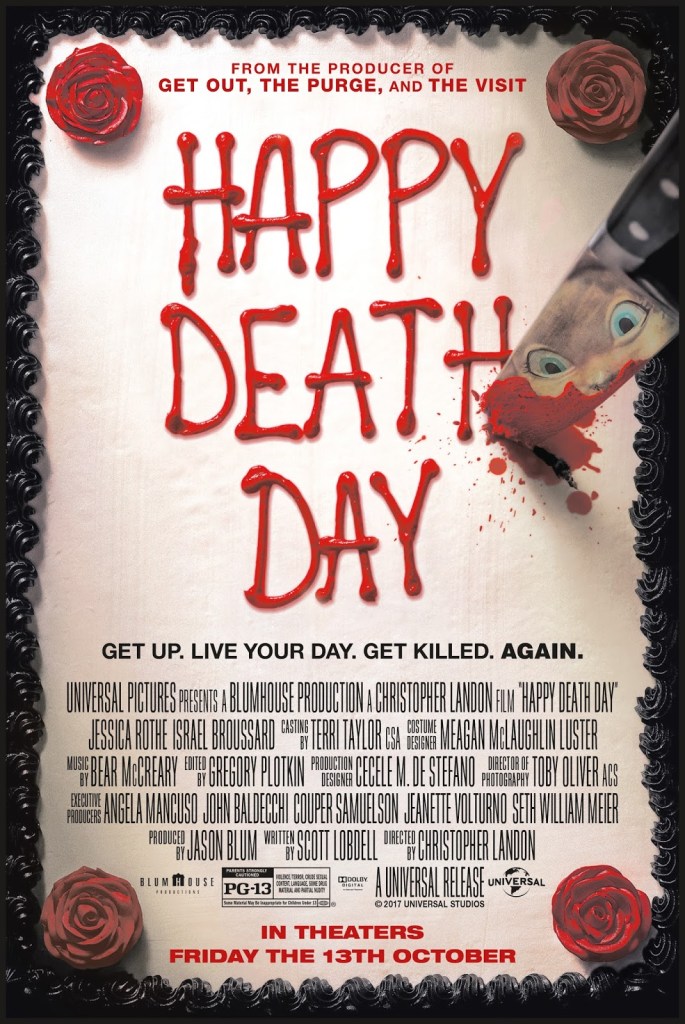
It’s been almost ten years, and Happy Death Day remains one of those surprising joys that reminds us that a low-budget horror film can be a quality movie. From Blumhouse Productions, Christopher Landon, and Scott Lobdell, this film was a horror-inspired take on Groundhog Day mixed into the standard 80s slasher fare. Horror is a genre that has a masterful way of exploring the darkest aspects of a concept, sometimes better than the constraints of other genres. Happy Death Day was by no means an exception to that.
Happy Death Day centers on Tree Gelbman (Jessica Rothe), a sorority sister whose life has dramatically changed since the death of her mother, and her more self-destructive tendencies were allowed to flourish. She wakes up in the dorm room of one of her classmates, Carter Davis (Israel Broussard), with little memory of the previous night or why she ended up in his room. Tree then goes through her day in the kind of manner that, for people who enjoy time loop stories, is telegraphed quite well. By the time night falls and Tree is on her way to a party at a nearby fraternity, Tree ends up isolated on campus in a dark and eerie tunnel, before being murdered by a masked figure. Tree then wakes up the next morning, screaming, and finds that she is once again in Carter Davis’ dorm room.
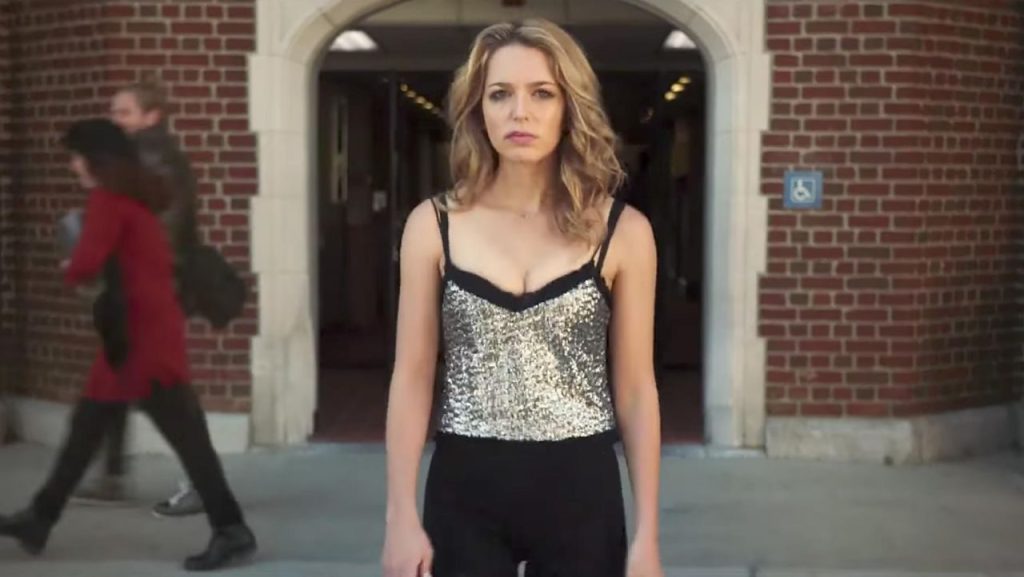
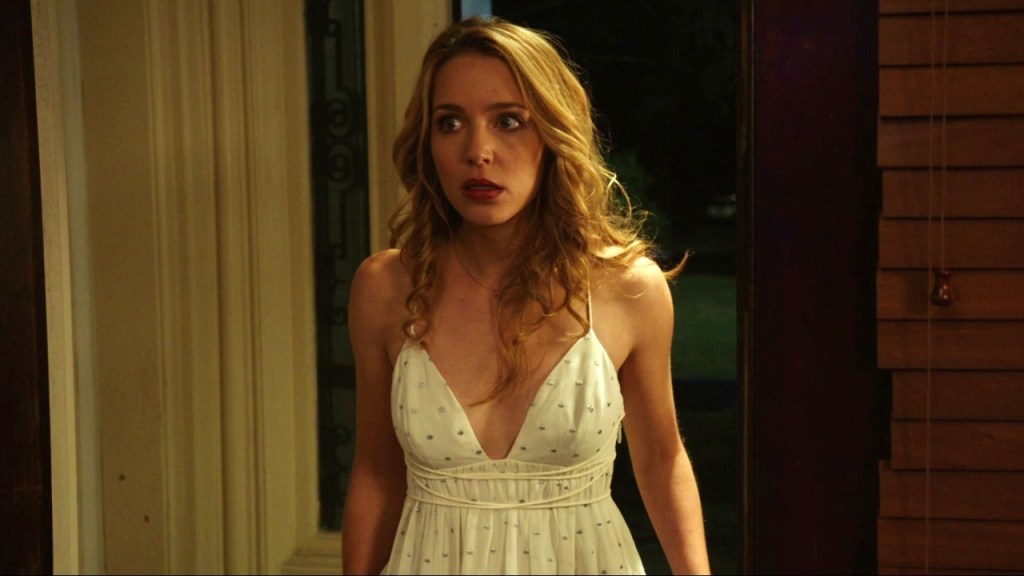
Through the first thirteen minutes, we experience Tree’s entire day after she wakes up in Carter’s dorm room. Tree is the kind of girl who, in a slasher film, is the first to bite it. She’s pretty, popular, irreverent, and having an affair with her married professor, Dr. Gregory Butler (Charles Aitken). Unlike a traditional slasher film, Tree’s unique circumstances are what let her be the unlikable opening victim and the final girl. Through each loop as she tries to understand what is happening to her and survive, mind you, we truly get to know her as a person. And what we learn makes her incredibly likable and sympathetic.
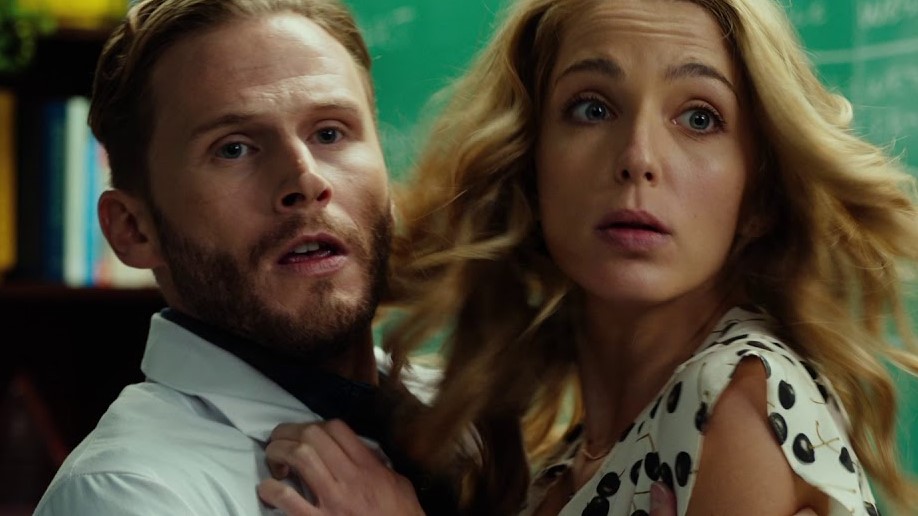
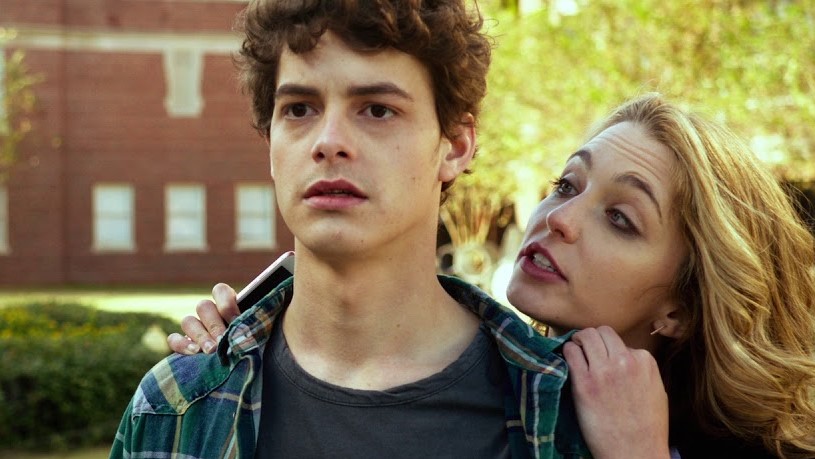
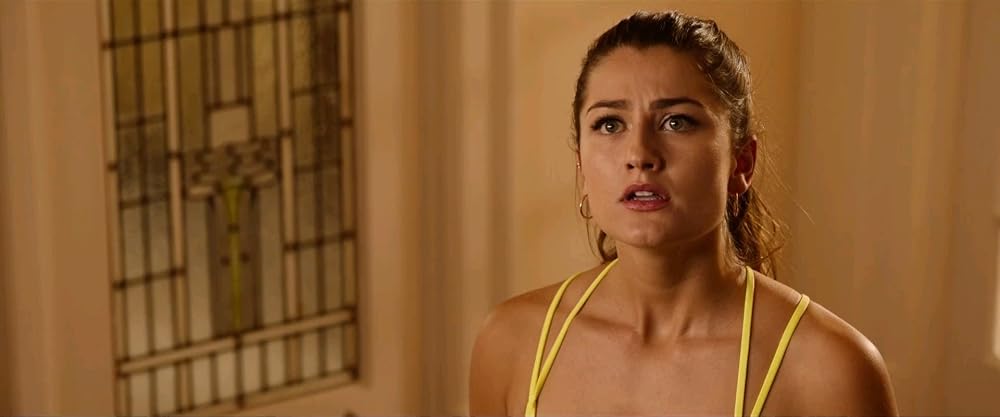
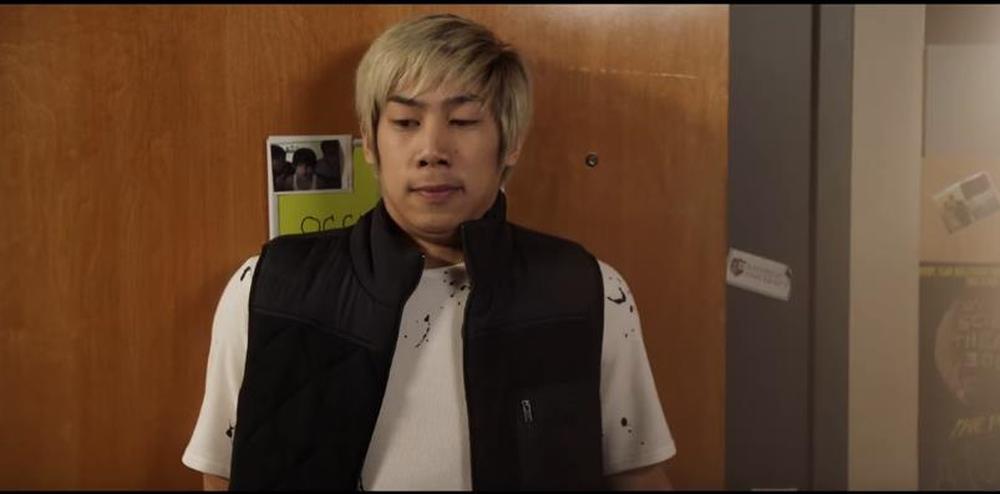
The first loop offers a glimpse of the people who fill out Tree’s life, and through whom she comes to suspect as the potential Babyface Killer who is out to murder her. As she’s getting dressed in Carter’s room, his roommate and friend Ryan Phan (Phi Vu) arrives, embarrassing Carter and giving Tree the excuse she needs to leave. Tim (Caleb Spillyards) is one of the first people that Tree runs into on her way back to the sorority. Danielle Bouseman (Rachel Matthews) is Tree’s best friend and, vapid though she might be, she is quite insightful. Emily (Tran Tran) is another of Tree’s sorority sisters, who spends much of the film doing little more than sitting on the front porch and, in what appears to be the final loop, providing a dramatic scream.
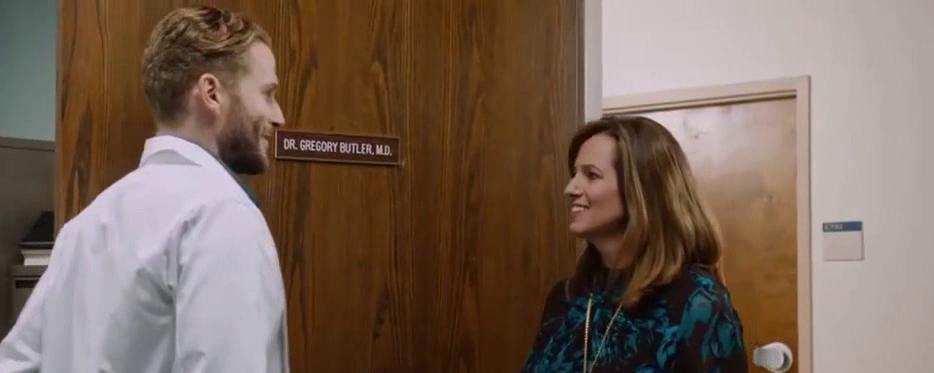
Dr. Butler is an interesting case because he is primarily only prominent in the portion of the film before the time loop happens, which is the opposite for Carter. As a result, we are treated to the most information about him there and in the second loop, when she goes to him as a person that she feels she can trust. What little we uncover about Gregory later on as Tree attempts to unravel what is happening to her makes him seem like the kind of guy who is clearly abusing his authority for a good time and little else. Stephanie Butler (Laura Clifton) is an interesting character whose entire role was excised because it was viewed as derivative and yet became utterly fantastic in the sequel – here, she is a minor character at best whose screentime is such that I struggle to recall which loop Tree ended up eliminating her as a suspect.
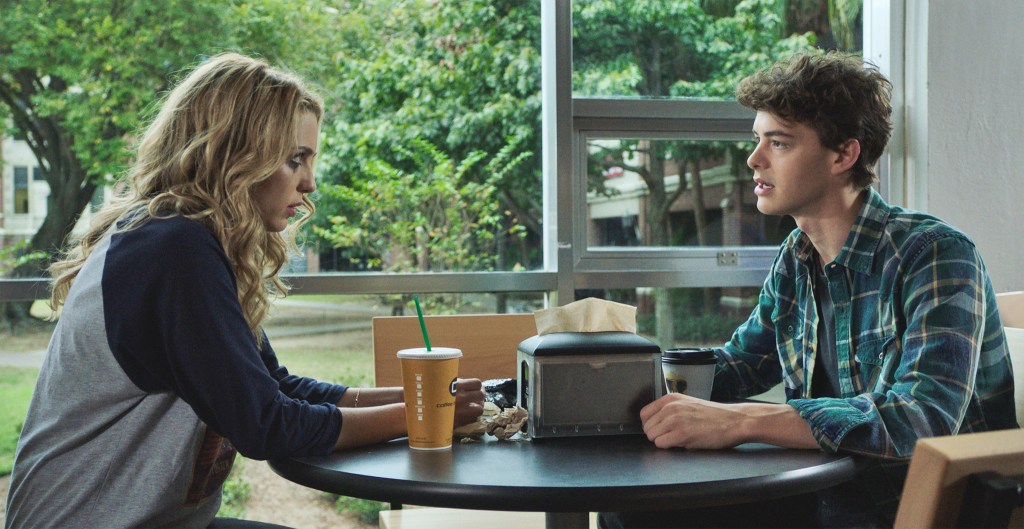
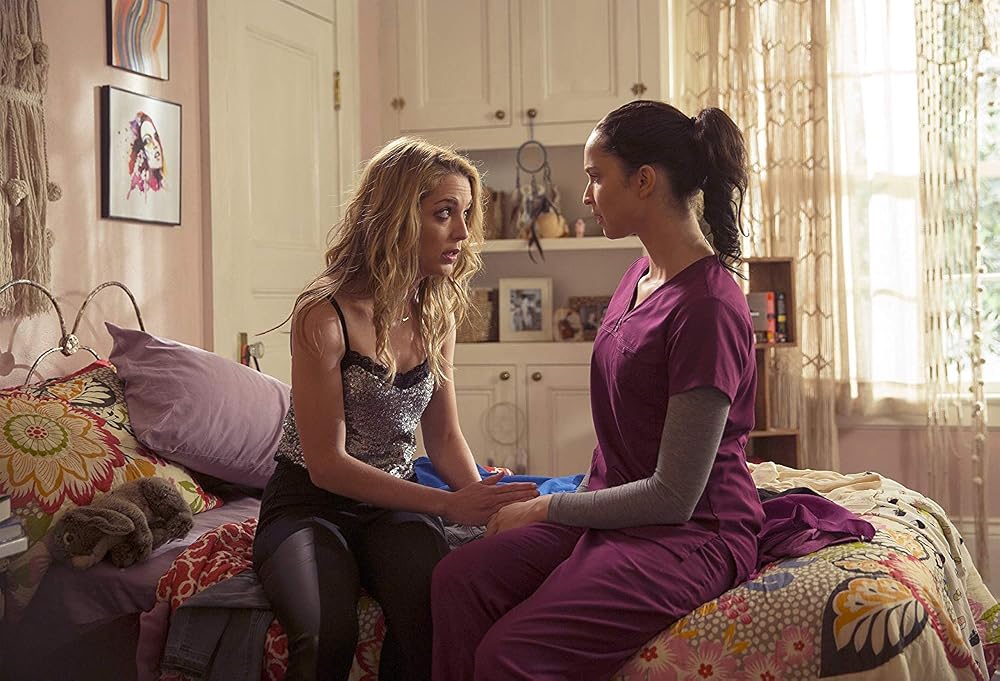
Lori Spengler (Ruby Modine) is Tree’s roommate and the one who shows the most concern for Tree, outside of Carter, in each loop despite Tree’s utter insistence on ignoring Lori’s overtures. Like Carter and Danielle, her role throughout Tree’s day changes a bit based on Tree’s seeming mood shifts from the previous day (before the loops began) and the twenty-four-hour hell cycle Tree is stuck in. One character who we don’t meet during the initial loop is Nick Sims (Blaine Kern III), who is the entire reason that Tree is even out that particular night. He is the guy that Danielle likes, and Tree is also seemingly having an affair with him and ends up a victim of the Babyface Killer in the second loop, finally confirming to Tree that this is real. And the possibility of escaping is vanishingly little.
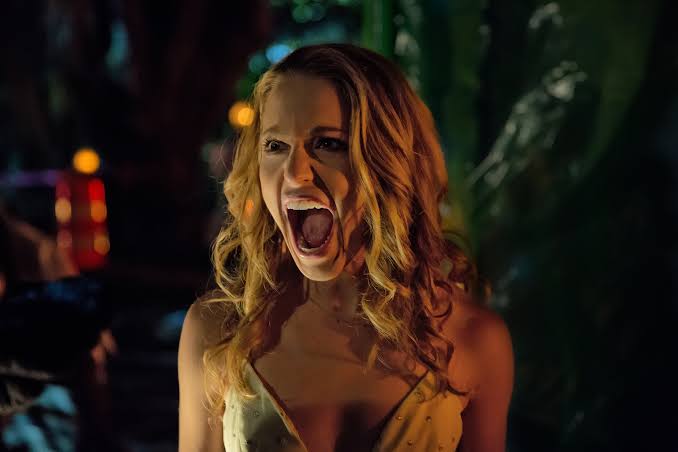
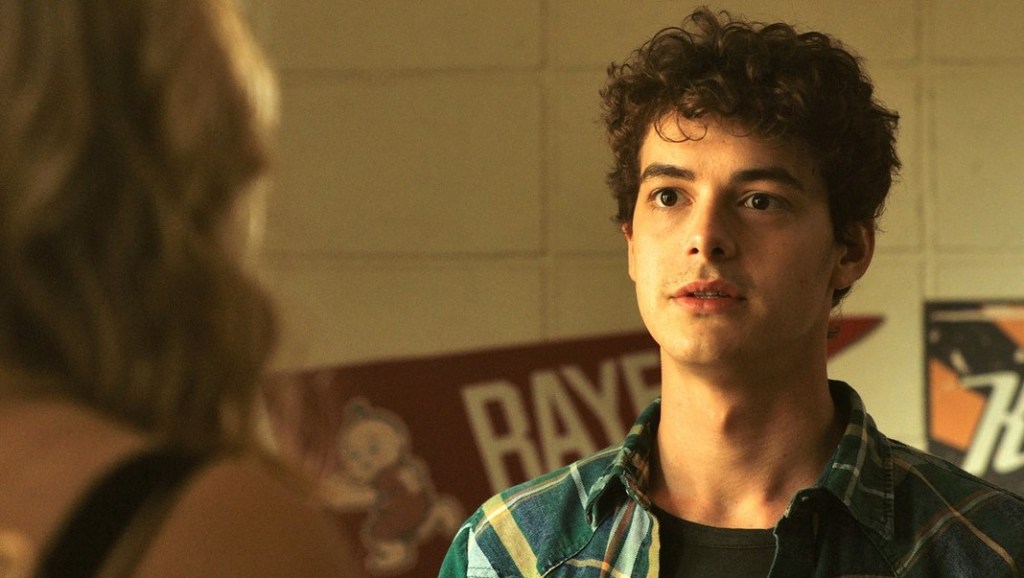
Among the main cast, it is Carter, the man whose room Tree woke up in after a random night of drinking, who becomes her true confidant. While the relationship is reset with each loop, when she gains his trust she is able to keep rebuilding it across the film as the loop starts over. Seeing the pair develop a unique friendship across what is, to Carter, a whirlwind day, is one of the best aspects of Happy Death Day.
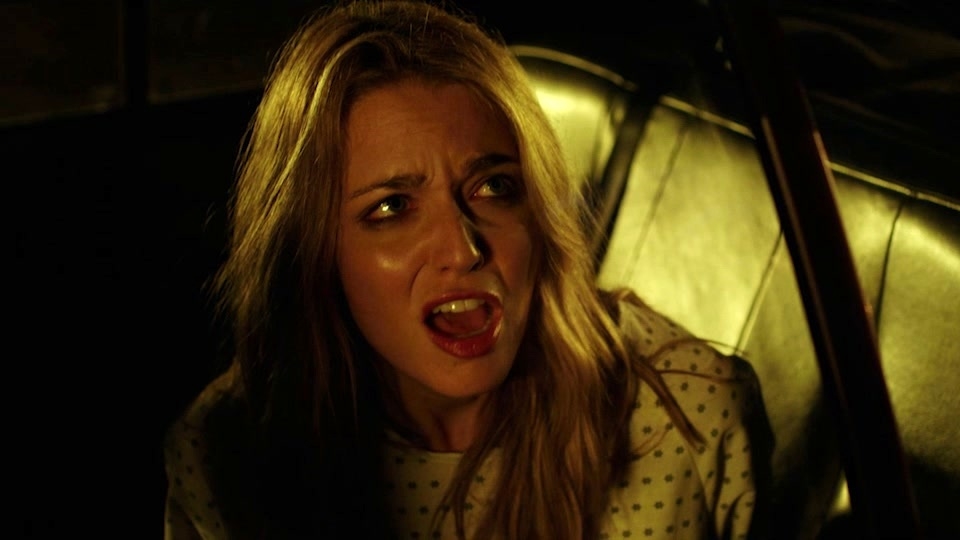
On first watch, these tricks are just part of the protagonist’s day – running into a guy that she’s turned down, people interrupting her long walk back to the sorority, a confrontation with her fellow sorority sister, an encounter with her roommate. They are the kinds of actions that do not stand out in any noticeable fashion because, like us as an audience, it is the first time that Tree experiences them. Seeing them repeat the first time unnerves Tree because, as far as she is concerned, she’s simply experiencing déjà vu. For that reason, when she is on her way to the party and comes across the same tunnel, Tree avoids it entirely and makes it to the party. Convinced that it’s nothing more than a nightmare, she ends up going through with precisely what she would have, had she lived long enough.
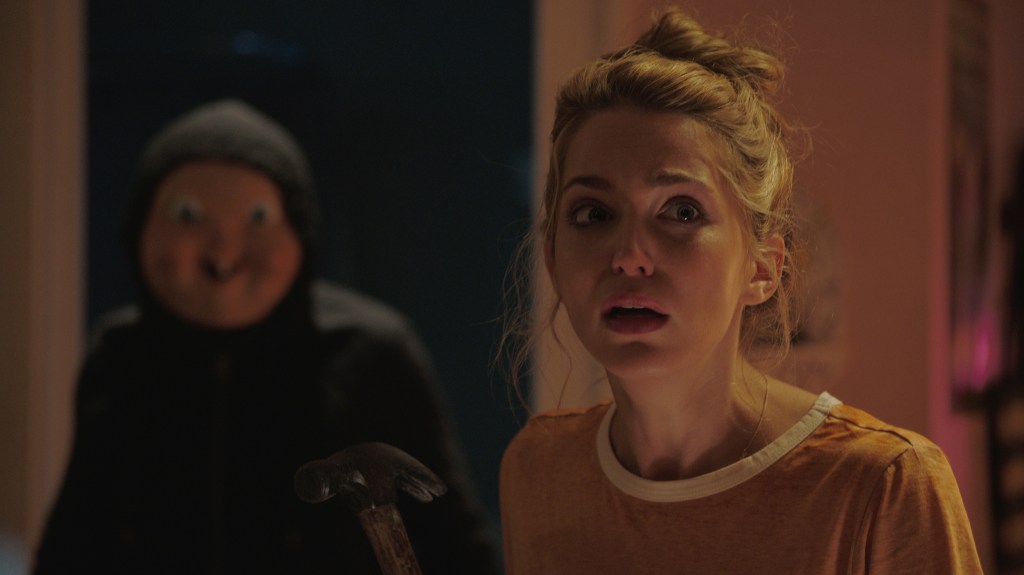
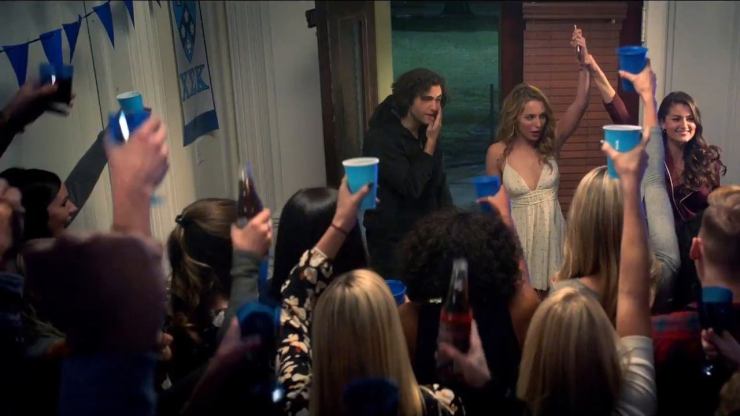
What becomes fun is looking for all of the little clues that point in a variety of directions. It is mentioned, both directly and indirectly, that the hospital that Gregory Butler and Lori work at is currently housing a relentless serial killer. John Tombs (Rob Mello) exists on the periphery for much of the story, until Tree becomes convinced that he is the Babyface Killer who has been relentlessly pursuing her across the night of the time loop. What makes him the most entertaining red herring is that Tree is precisely his target profile – young, blonde, and mid-20s. The person pursuing Tree seems just as invested in killing anybody in the path between them and Tree, but the film is incredibly careful about not playing its story that close to the formula. At every turn, it offers alternatives that confirm or contradict Tree’s understanding of the situation.
Happy Death Day set up a lot across its ninety or so minute runtime. Enough that its sequel was able to pull varying threads without undermining this film. While a third film becomes less likely with every passing year, its concept is incredibly viable and I, for one, would be glad to see it.

