
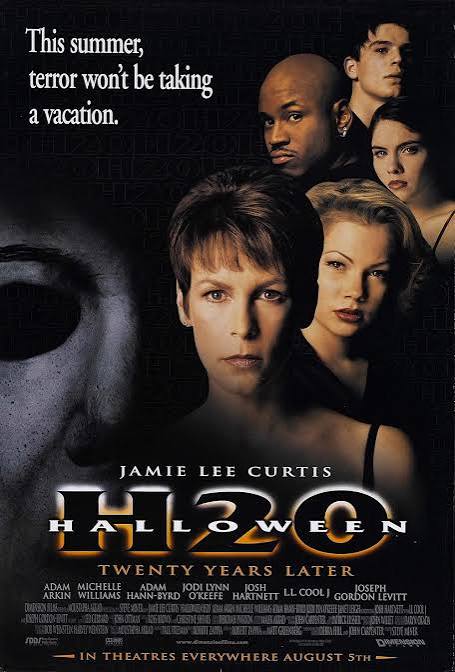
Of the big three, Halloween is the only one to simply revel in the ridiculousness of ignoring previous canon intentionally on more than one occasion. While the initial slate of films (the first two and four through six) occupy a single timeline, Halloween H20: 20 Years Later set out to abandon the preceding three films and bring back the original final girl, Laurie Strode (Jamie Lee Curtis).
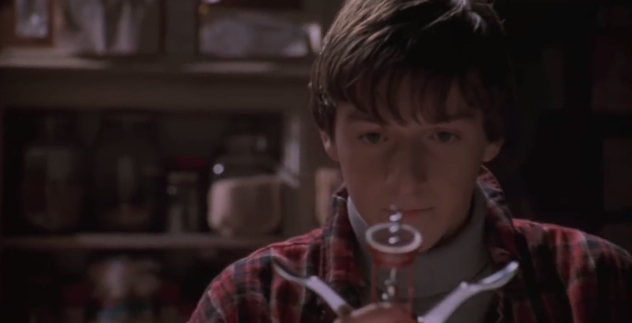
As the title lays out, this entry takes place twenty years after Michael Myers (Chris Durand) original massacre through Haddonfield, Illinois, across one bloody Halloween night. Its prologue unfolds a handful of days before the main action, bringing back Marion Wittngton, née Chambers (Nancy Stephens), Dr. Samuel Loomis’ old colleague who took care of him in the last years of his life. She has since settled into a home that she shared with Dr. Loomis in a quiet town in Illinois. When she realizes it has been broken into, her response is quick but ineffective, though it does yield the fun introduction of Jimmy (Joseph Gordon-Levitt), her teenage neighbor, and his friend Tony (Branden Williams). By the time the police do arrive to investigate, it’s far too late, and Michael is free to set his plan in motion.
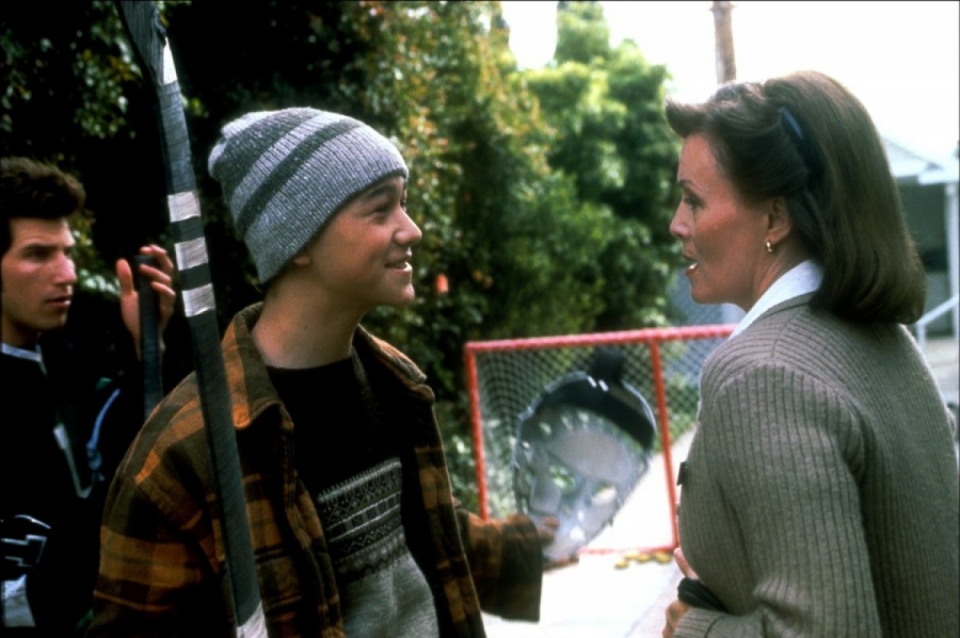
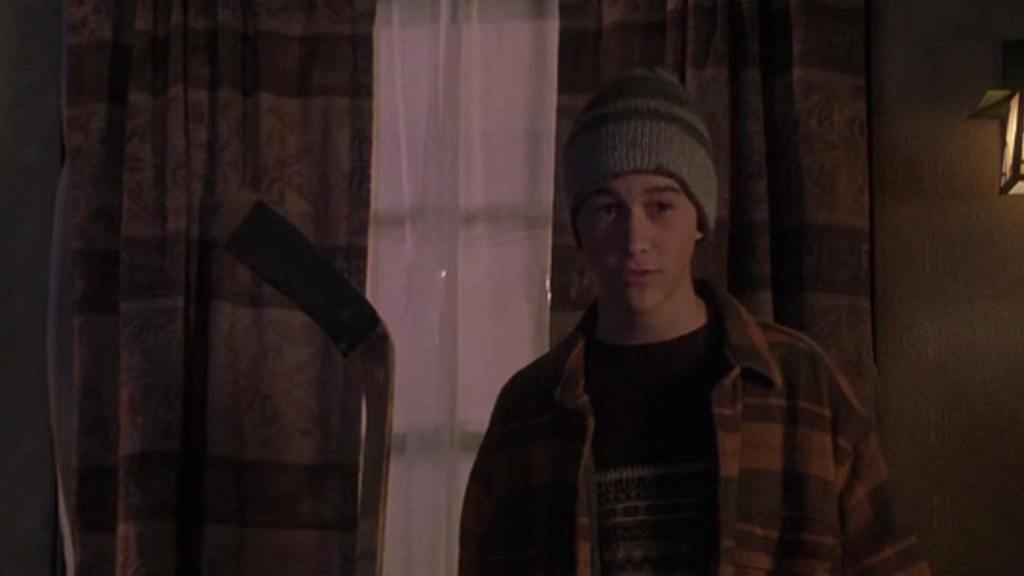
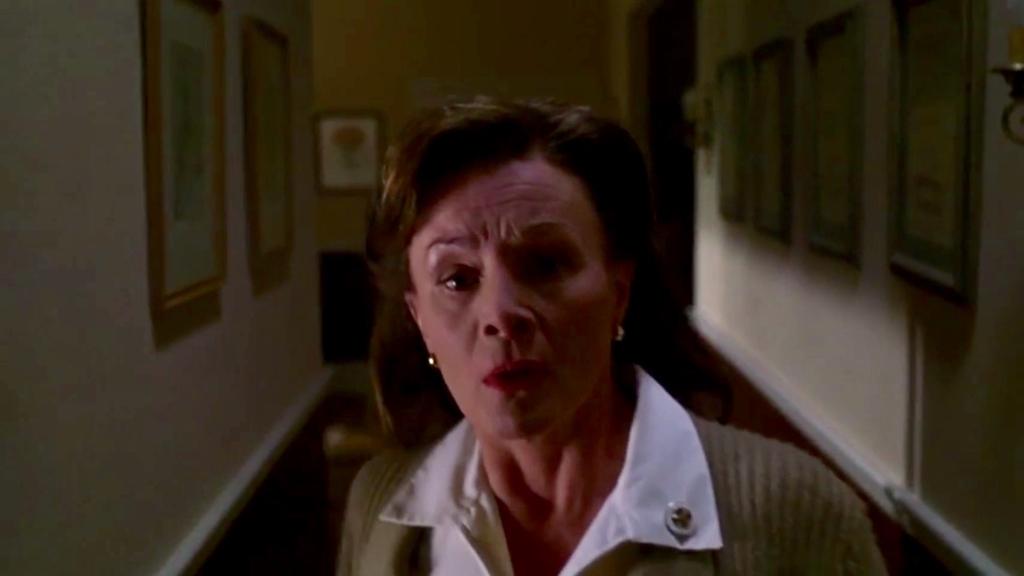
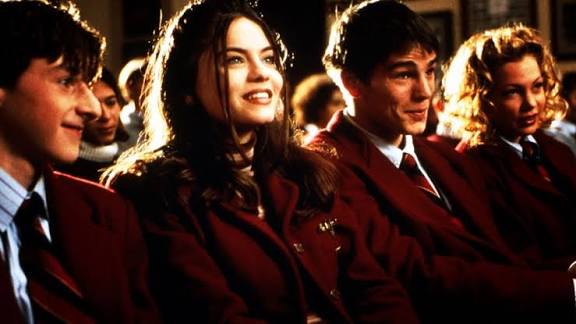
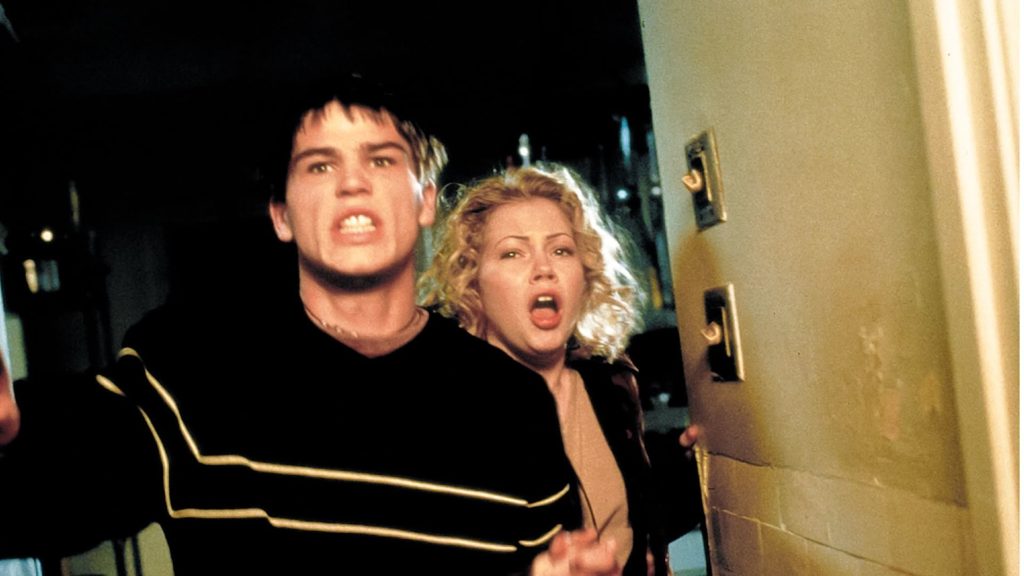
In Summer Glen, California, Keri Tate is the Headmistress at a private boarding school, where her seventeen-year-old son, John Tate (Josh Hartnett in his film debut), attends. His close group of friends includes his girlfriend, Molly Cartwell (Michelle Williams), his best friend Charlie Devereaux (Adam Hann-Byrd), and Charlie’s girlfriend Sarah Wainthrope (Jodi Lyn O’Keefe). Keri has built a life here. Her boyfriend, Will Brennan (Adam Arkin), the school guidance counselor, knows that she has secrets that she is not yet willing to share, but is patiently waiting for Keri to let him in just a bit more.
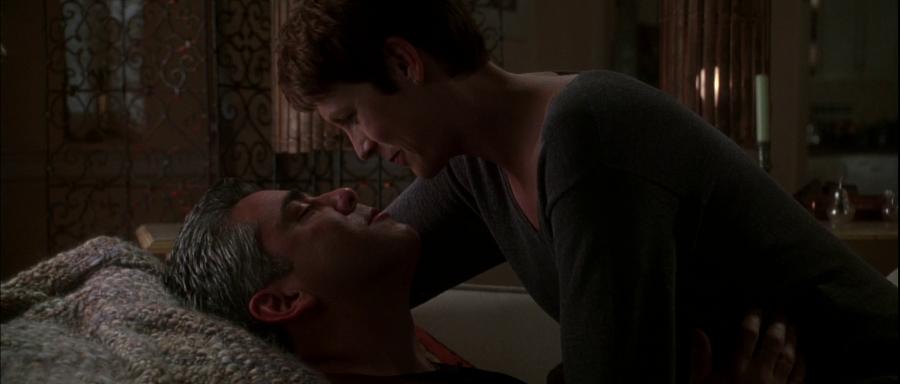
The thing is, her big secret is that “Keri Tate” is really Laurie Strode, who faked her death years earlier to hide from her brother, and has spent every day of the previous twenty or so years fearing his return. Throughout her life, she has worked to protect John from the boogeyman, knowing that he is very much a real threat. Yet, that protection can often come across as overbearing and overly controlling, including preventing him from being able to go on an overnight school trip that he has been looking forward to.
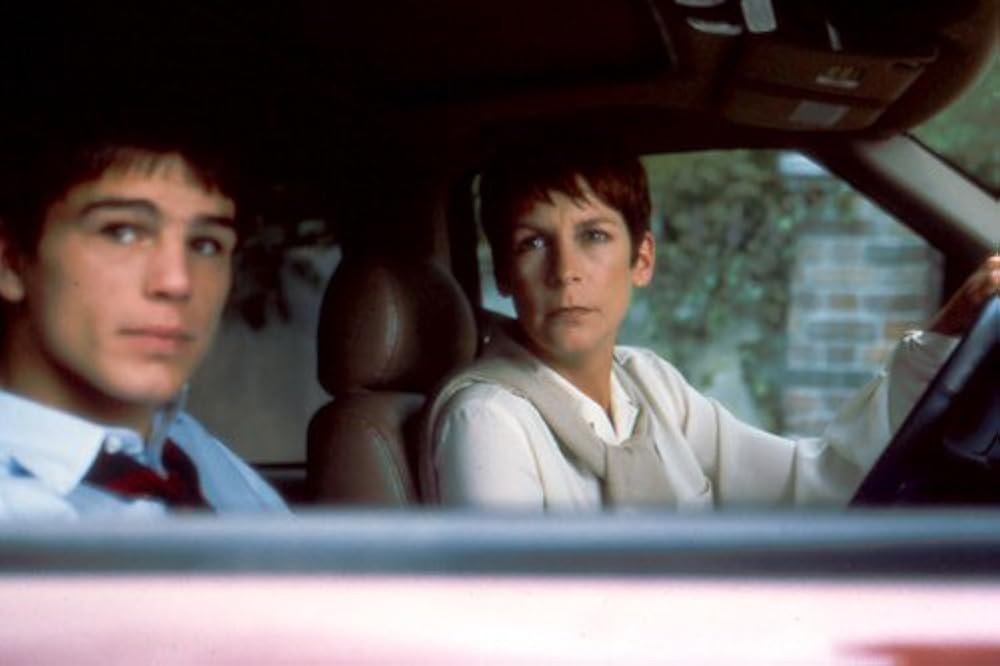
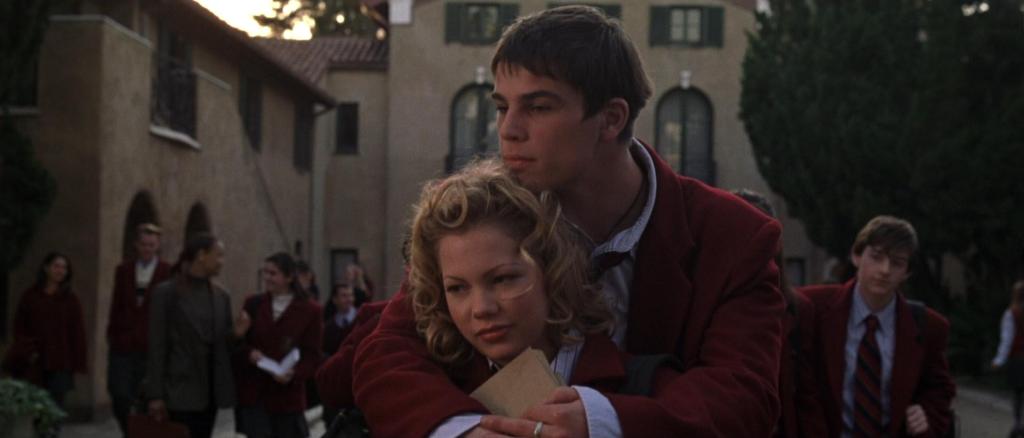
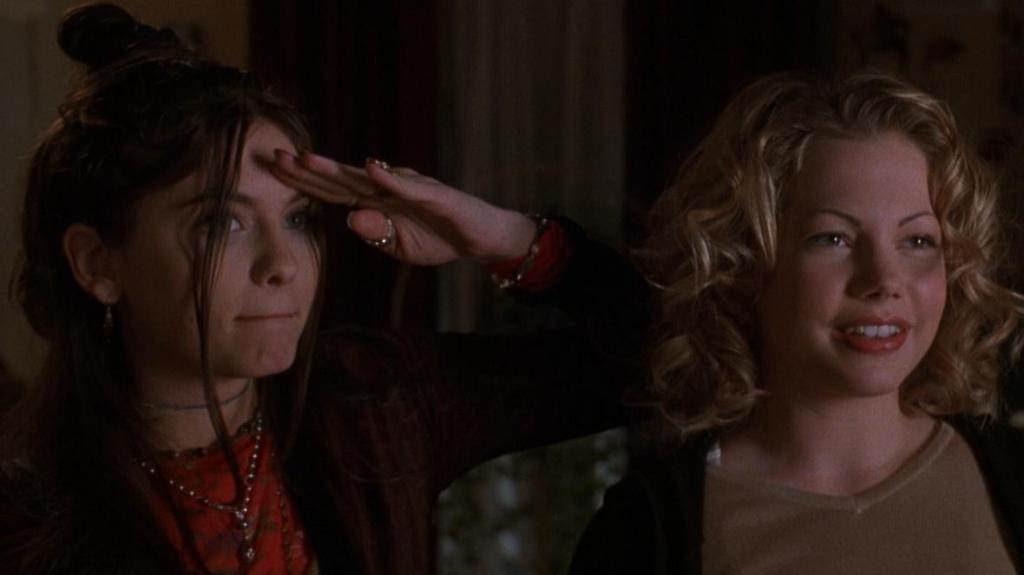
Unlike the ghastly efforts that some films would take to make the drama worse, John knows precisely who his mother really is, and has kept the secret. His mother’s efforts still hit him wrong, especially as she denies him the opportunity to go on their school’s trip to Yosemite. Laurie wants to keep her son in her sight as Halloween approaches but, when she finally comes to terms with the fact that she cannot control every aspect of his life, she agrees. The probability, of course, is that after her denial, John made plans with Molly, Sarah, and Charlie—because Sarah wasn’t being allowed on the trip, either. These plans crash right into Michael Myers’ return to Laurie’s life, setting the stage for her worst fears.
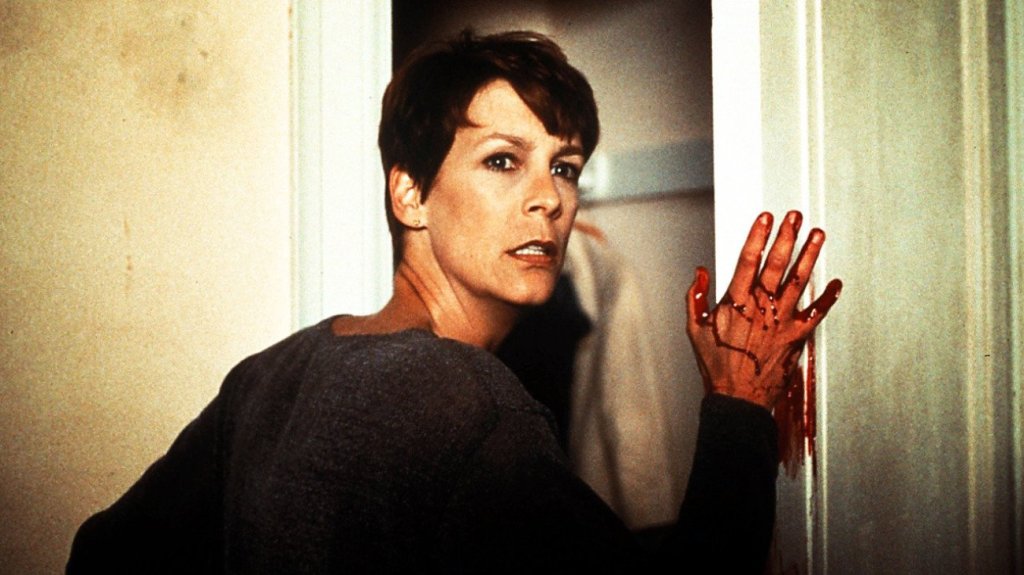
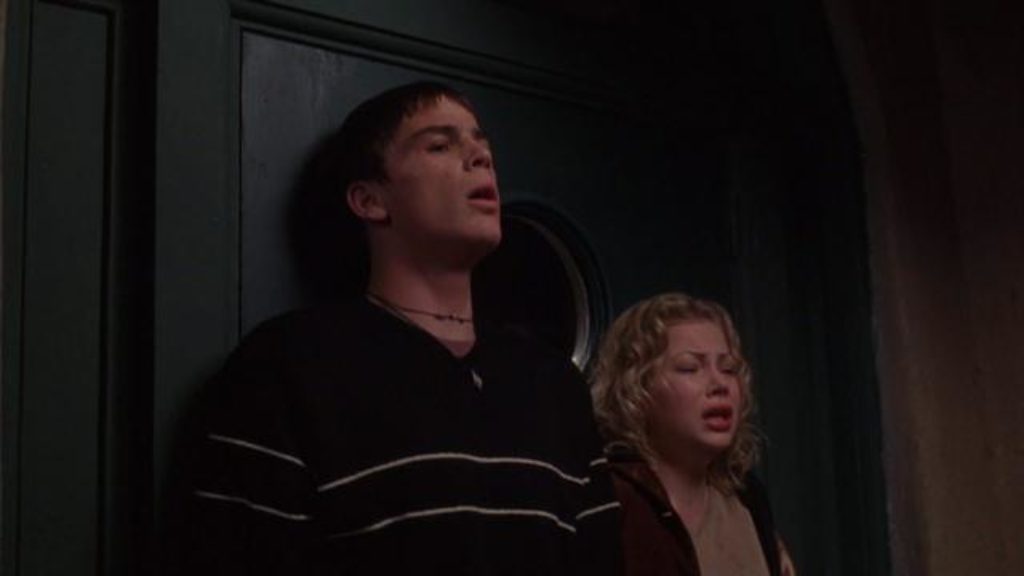
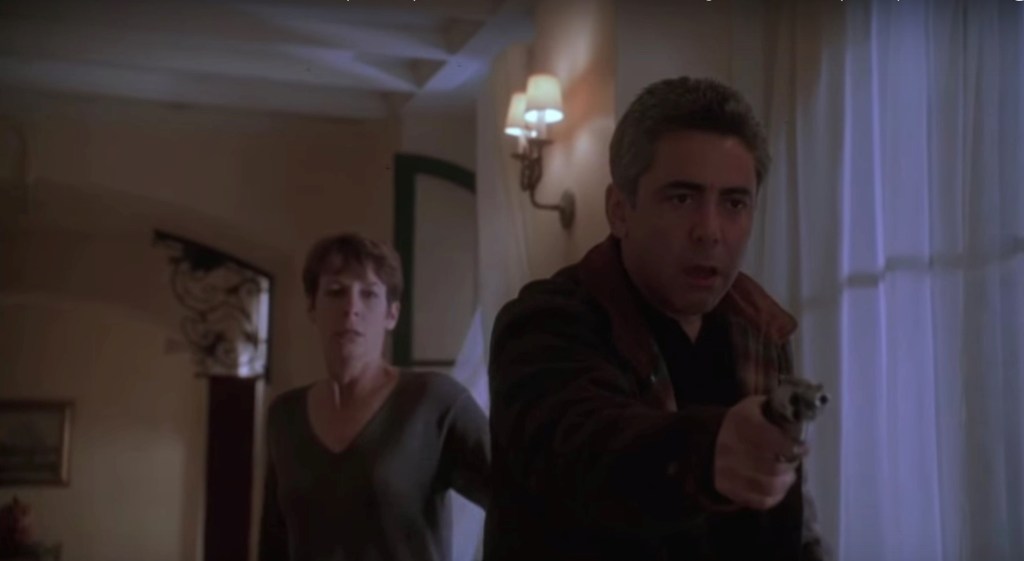
While Keri’s secretary, Norma Watson, is played by Jamie Lee Curtis’ own mother, Janet Leigh, in a deliberate cameo, the other main player in the ensemble is quite fun to watch. Ronald “Ronny” Jones (LL Cool J) is the school’s security guard and is practically signposted for a painful demise. He offers comedic relief during some of the tensest moments and proves integral to some of the main characters’ survival. His presence does something else that most of the Halloween films failed to capitalize on after the very first entry: men are not Michael Myers’ intended victim pool.
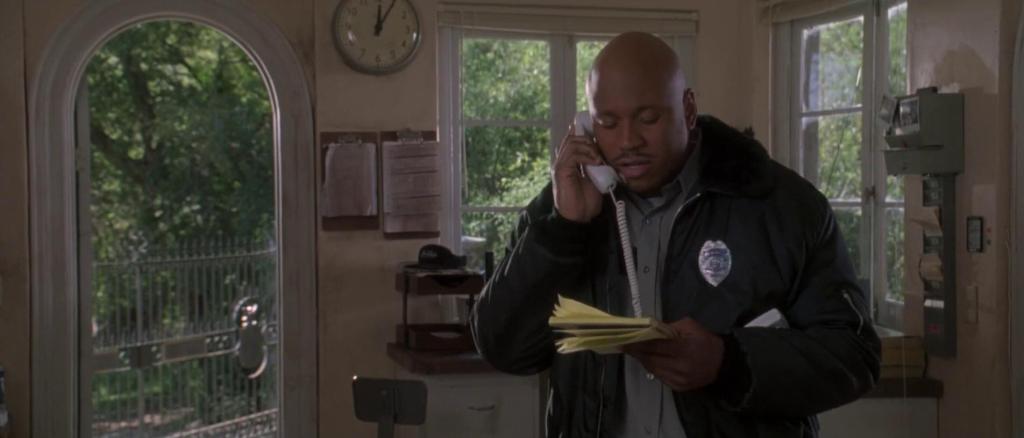
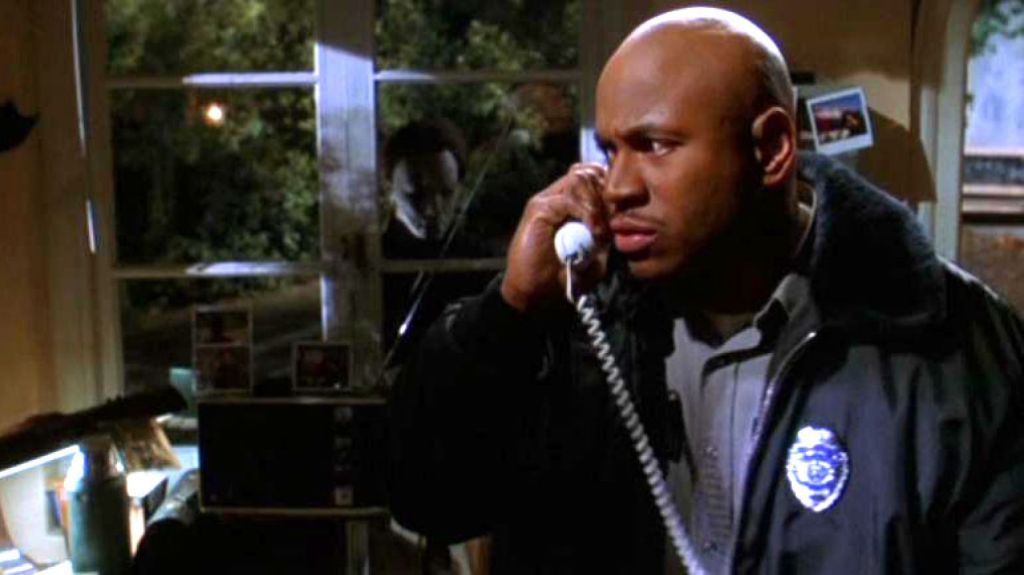
That might seem like a controversial statement considering the body count Michael has left behind after each entry. However, earlier slasher films tended not to follow the kind of formula that they are often praised, or derided for in some cases, for establishing. Freddy Krueger, Pamela Voorhees, and Michael Myers had a specific pattern in the original films. Freddy targeted the children of the parents who burned him alive. Pamela targeted the camp counselors at Camp Crystal Lake because she projected her rage at the ones responsible for Jason’s death onto them. Michael targeted women who, in some fashion, reminded him of his sister, while only killing men for utility.
Two men died in the original Halloween. The first was an unnamed mechanic, off-screen, no less, which allowed Michael to pick up his iconic uniform. The second was Bob, who surprised him in the kitchen after having sex with Lynda. Compare that sequence to his sister Judith, and the parallels become almost haunting. Michael’s first committed murder occurred when he was six, after his sister had sex and he watched Judith’s boyfriend leave. In Halloween, Michael laid in wait while that same scenario played out and then waited in the kitchen with the intention of heading upstairs. Had Bob left like Judith’s boyfriend, there is every possibility that he would have survived the night like Paul.
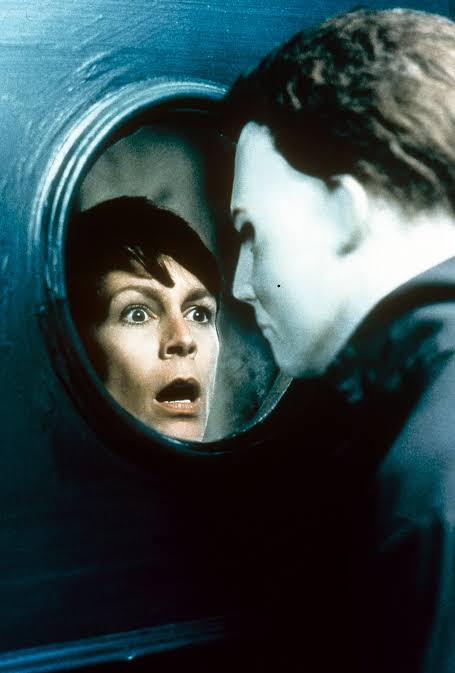
Here, his goal has become explicit: Michael intends to kill his family. Laurie and John are his primary targets, and everybody who gets in his way becomes a potential victim. Granted, “in his way” can take varying forms. It could be that the film sought to replicate the same beats of the original, which featured a specific subset of teen characters for Michael to torment. Halloween (2018) did much the same with Allyson’s friend group. At the end of the day, this is still one of the most engaging entries in the Halloween franchise.
Halloween H20 has the goal of most 90s slasher fare. It follows a trend and a formula that has been refined and rebuilt across those twenty years. What looks like simple conservatism in earlier slasher films had an intended, if subtle, purpose to it. Yet, you can see the DNA of that first film in multiple scenes. Michael never attempts to kill Ronny despite him presenting the biggest threat on the campus as a trained security guard. Second, when Michael stumbled upon a mother and her daughter at an isolated rest area, he did not attempt to kill them when his only goal was to steal their car.
Steve Miner, one of Friday the 13th’s original producers and the Director of Parts 2 and III, offers an answer, but we’ll never know for sure. Everybody has their own way of handling a film, and every director loves to put their stamp on a franchise.
Halloween has always played “pick-and-choose” with regard to its interesting lore. This film abandoned the Curse of Thorn plotline in its entirety while maintaining the connecting bridge that Michael and Laurie are siblings, which is introduced in Halloween II. The next continuation after this timeline would simply ignore every sequel and the extended version of the original, which was filmed during the production of II to fill out time when censorship necessitated cuts to violence and sexuality. This resulted in David Gordon Green’s trilogy of sequels dropping the sibling relationship. Fans are, of course, divided on which timeline is the best, and they’ll be quick to point out that every single one has its weak points. Yet, as plans gear up for another continuation, time will tell which one ends up being the most reviled.
Especially since that mantle has changed with every passing year.

